
Expert glaucoma diagnosis & surgery co-management
Glaucoma often develops without noticeable symptoms, making routine eye care especially important. Advanced testing, including Optos retinal imaging, OCT, visual field testing, and eye pressure measurement, helps detect changes early and monitor your optic nerve over time.
Personalized glaucoma care in Wilmington is available for English- and Spanish-speaking patients. If you have been diagnosed with glaucoma, have a family history of the disease, or are experiencing concerning vision changes, walk-in appointments are available during office hours for prompt evaluation.
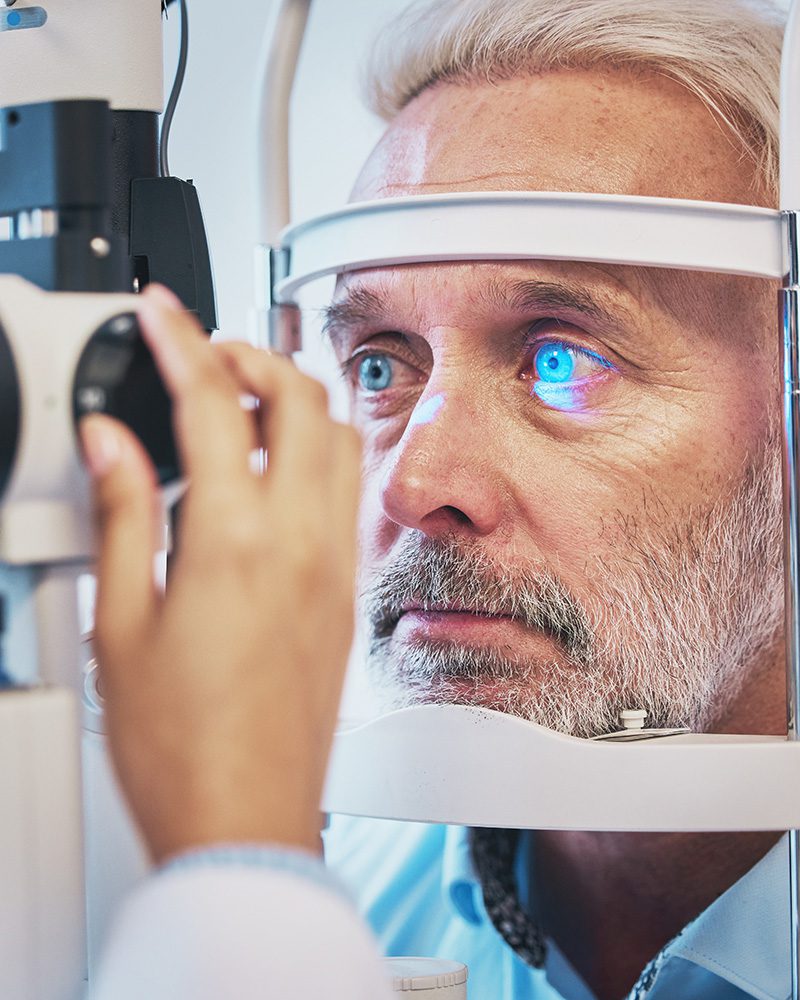
What is glaucoma?
Glaucoma is a group of eye conditions that damage the optic nerve, which sends visual information from the eye to the brain. This damage is often linked to increased eye pressure, but glaucoma can also develop when pressure is within a typical range.
Without treatment, glaucoma can cause permanent vision loss. It often affects peripheral vision first and may progress over time if left unmanaged.
Glaucoma symptoms
Glaucoma is sometimes called the “silent thief of sight” because early stages frequently have no noticeable symptoms. As the disease progresses, some people may experience:
- Gradual loss of peripheral vision
- Tunnel vision in advanced stages
- Eye pain or pressure in certain types of glaucoma
- Headaches, blurred vision, or halos around lights in acute cases
Even without symptoms, regular comprehensive eye exams can help identify early signs of glaucoma and other eye diseases

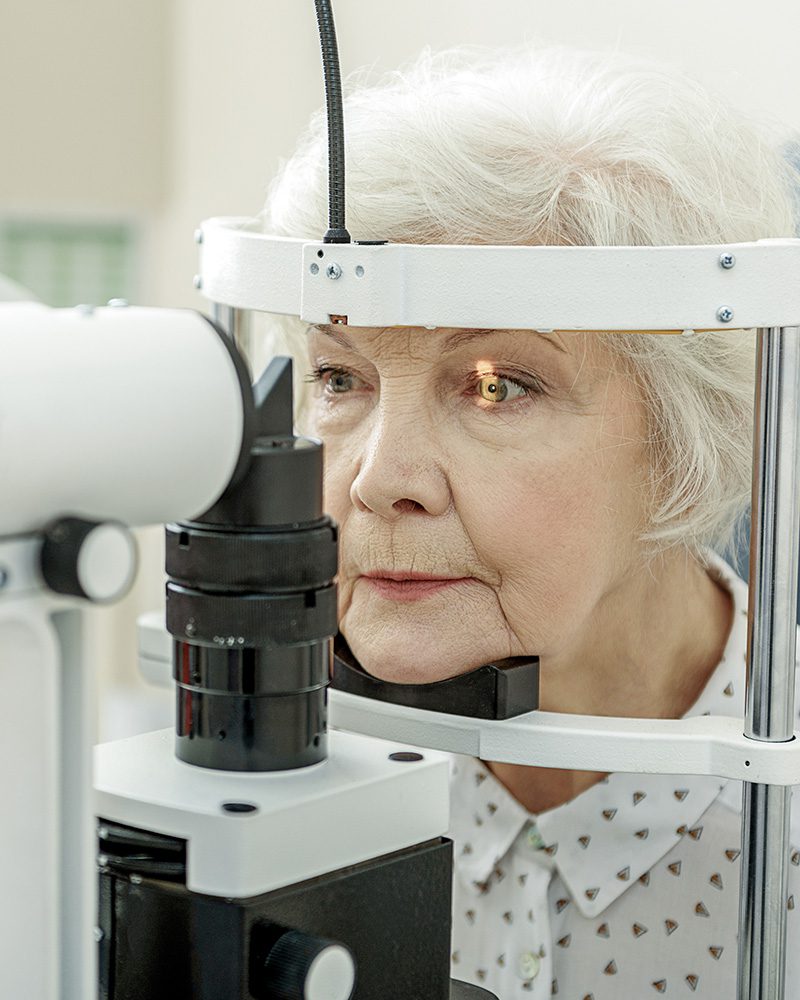
What causes glaucoma?
While the exact cause of glaucoma is not fully understood, certain factors can increase the risk of developing the disease, including:
- A family history of glaucoma
- Age, especially after 40
- Certain medical conditions, including diabetes or high blood pressure
- Eye injuries
- Long-term corticosteroid use
How is glaucoma diagnosed?
A thorough glaucoma evaluation in Wilmington looks beyond a single eye pressure reading. Your doctor may use retinal imaging and OCT to assess the optic nerve, visual field testing to check for peripheral vision loss, and tonometry to measure eye pressure.
For a more comfortable experience, iCare™ tonometry can check eye pressure without the traditional puff of air. These diagnostic tools help establish a baseline, identify subtle changes, and guide ongoing monitoring.
How is glaucoma treated?
While there is no cure for glaucoma, early treatment and consistent follow-up can slow or prevent additional vision loss. Care is tailored to the type and stage of glaucoma, as well as your overall eye health.
Treatment options may include prescription eye drops, oral medications, laser procedures, or surgery to lower eye pressure and improve fluid drainage. If surgery is needed, care can be coordinated with an experienced surgeon, with post-operative follow-up and co-management to support your recovery.
For some patients, selective laser trabeculoplasty (SLT) may be an option to help lower eye pressure. In a 2025 analysis of patients with glaucoma or ocular hypertension who switched from eye drops to SLT, 60.5% of treated eyes did not require glaucoma medication or surgery nearly three years after laser treatment.¹ Whether laser treatment is appropriate depends on the type and stage of glaucoma, your eye pressure, and your overall eye health.
Don’t let glaucoma steal your eyesight
Early detection is one of the best ways to protect your sight. If you are due for an eye exam, have a family history of glaucoma, or have noticed changes in your vision, schedule a glaucoma evaluation in Wilmington.
Reference: