
If you have diabetes, protecting your vision is an important part of managing your overall health. Diabetic eye exams in Wilmington use advanced technology, including Optos retinal imaging and optical coherence tomography (OCT), to look closely at the retina and identify changes before they affect your sight.
English- and Spanish-speaking patients are welcome, and walk-in appointments are available during office hours if you have new vision concerns or need prompt evaluation.
How does diabetes affect the eyes?
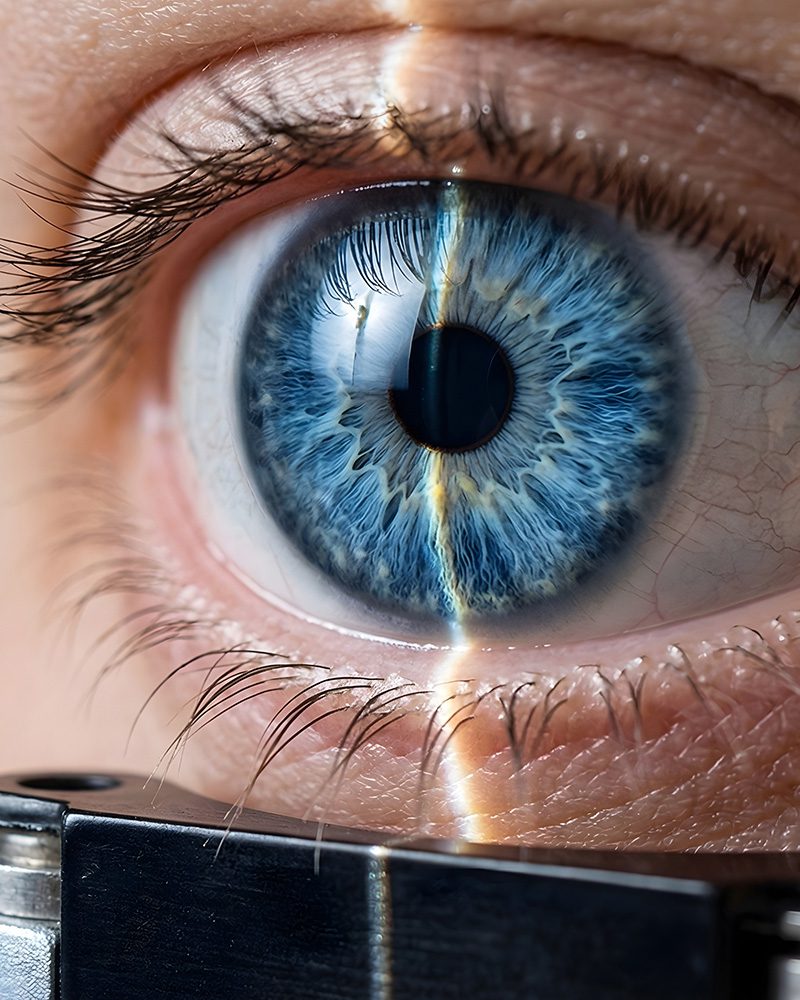
Over time, diabetes can damage the small blood vessels in the back of the eye. This may lead to diabetic retinopathy or diabetic macular edema, which can affect vision and may require specialized care.
Diabetes can also increase the risk of other eye conditions, including glaucoma and cataracts. Because diabetic eye disease may develop without early symptoms, regular eye exams are essential even when your vision seems clear.
The importance of annual diabetic eye exams
A diabetic eye exam helps monitor your retinal health and detect early signs of disease. During your visit, your doctor can use advanced imaging to evaluate the retina in detail and establish a baseline for future comparison.
Routine monitoring can help identify changes early, guide follow-up recommendations, and connect you with the appropriate care if additional treatment is needed.

What does a diabetic eye exam include?
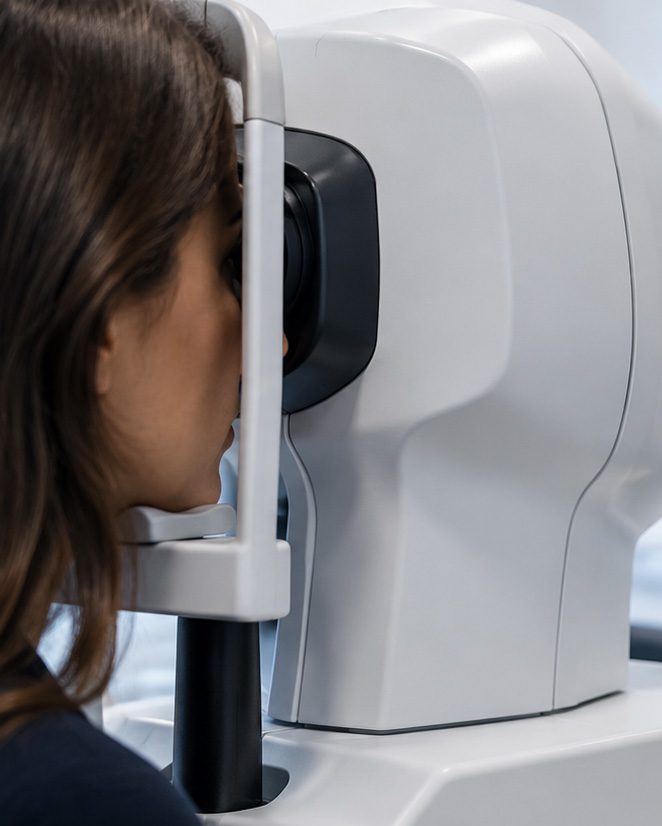
A diabetic eye exam includes the components of a comprehensive eye exam, with added attention to changes that may be related to diabetes. Your visit may include:
- A review of your health history and any vision changes
- Visual acuity and eye pressure testing
- Pupil dilation to examine the retina and optic nerve
- Optos retinal imaging and OCT to capture detailed images of the back of the eye
- Recommendations for follow-up monitoring based on your eye health needs
These tests help your doctor monitor for diabetic retinopathy, diabetic macular edema, and other eye-health concerns that may require attention.
Diabetic eye disease monitoring and co-management
If your exam shows signs of diabetic eye disease, your doctor will discuss the findings and create a monitoring plan based on your needs. This may include more frequent eye exams, communication with your primary care provider or other members of your healthcare team, and referral to a retinal specialist when advanced treatment is appropriate.
Ongoing care can help you stay informed about changes in your eye health and take timely action to protect your vision.
Visit for personalized diabetic eye care
Whether you were recently diagnosed with diabetes or have been managing it for years, regular diabetic eye exams can help safeguard your vision. Schedule a diabetic eye exam in Wilmington for detailed monitoring and personalized guidance.