
Is your child having trouble seeing the whiteboard at school or holding books and screens closer than usual? They may be developing myopia, also known as nearsightedness. Myopia often begins in childhood and can progress as a child grows.
Myopia management in Wilmington takes a proactive approach to slowing that progression. A pedatric eye exam can help evaluate your child’s prescription, eye health, and risk factors, then determine whether MiSight® 1 day contact lenses or Stellest® lenses may be appropriate. English- and Spanish-speaking families are welcome, and walk-in appointments are available during office hours when you have concerns about your child’s vision.
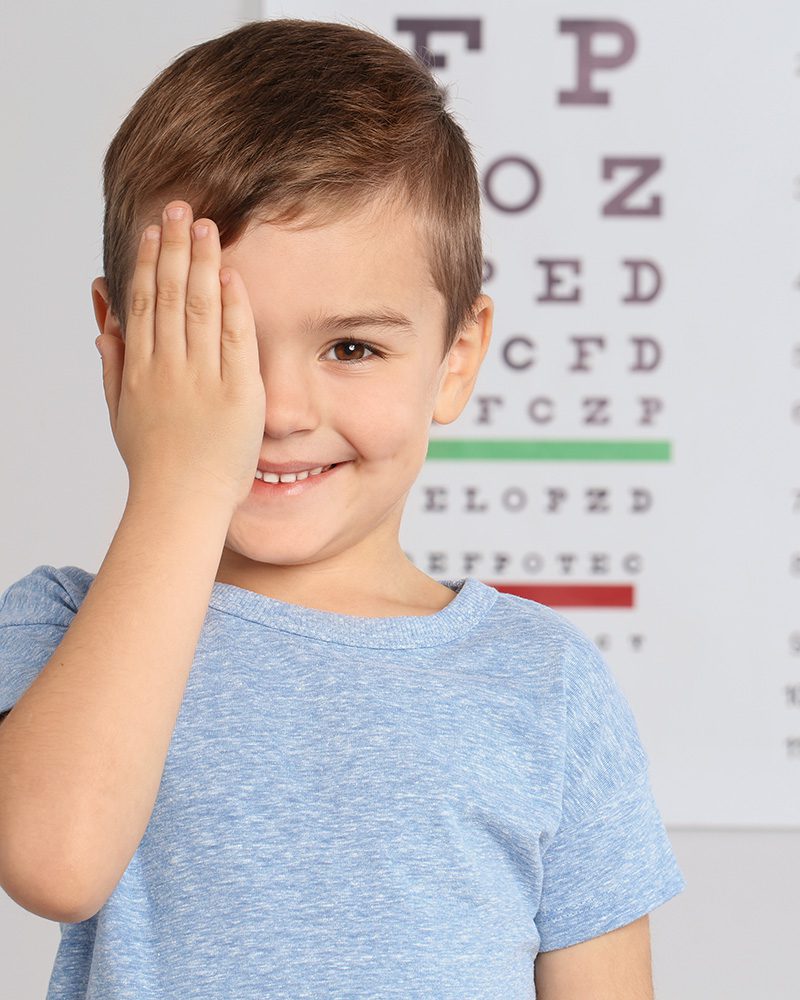
What is myopia?
Myopia is a vision condition that makes distant objects appear blurry while nearby objects remain clear. It occurs when the eye grows too long or the cornea is too curved, causing light to focus in front of the retina rather than directly on it.
Myopia commonly develops during childhood and may worsen over time. Family history, limited time outdoors, and prolonged near work may all play a role in myopia progression
Why myopia management matters
Higher levels of myopia can increase the lifetime risk of certain eye conditions. Myopia management is designed to slow the progression of nearsightedness, which may help reduce the risk associated with more severe myopia later in life.
Early intervention gives your child’s eyes the best opportunity to manage changes as they grow. Regular monitoring also allows your doctor to adjust recommendations when needed.
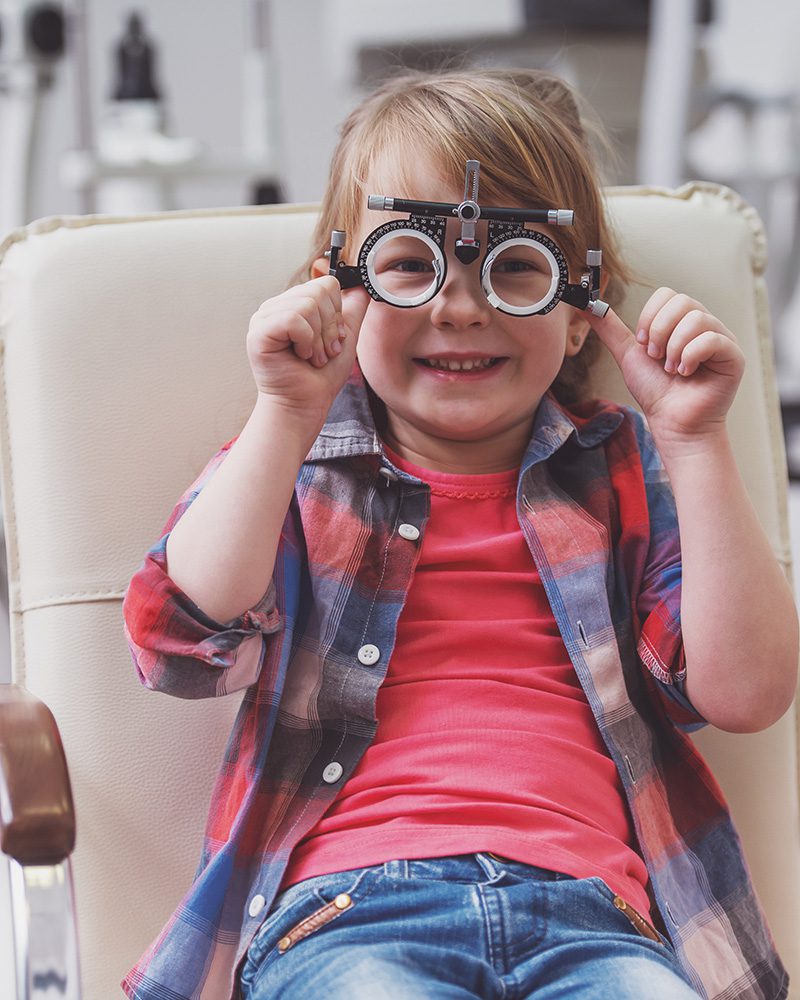
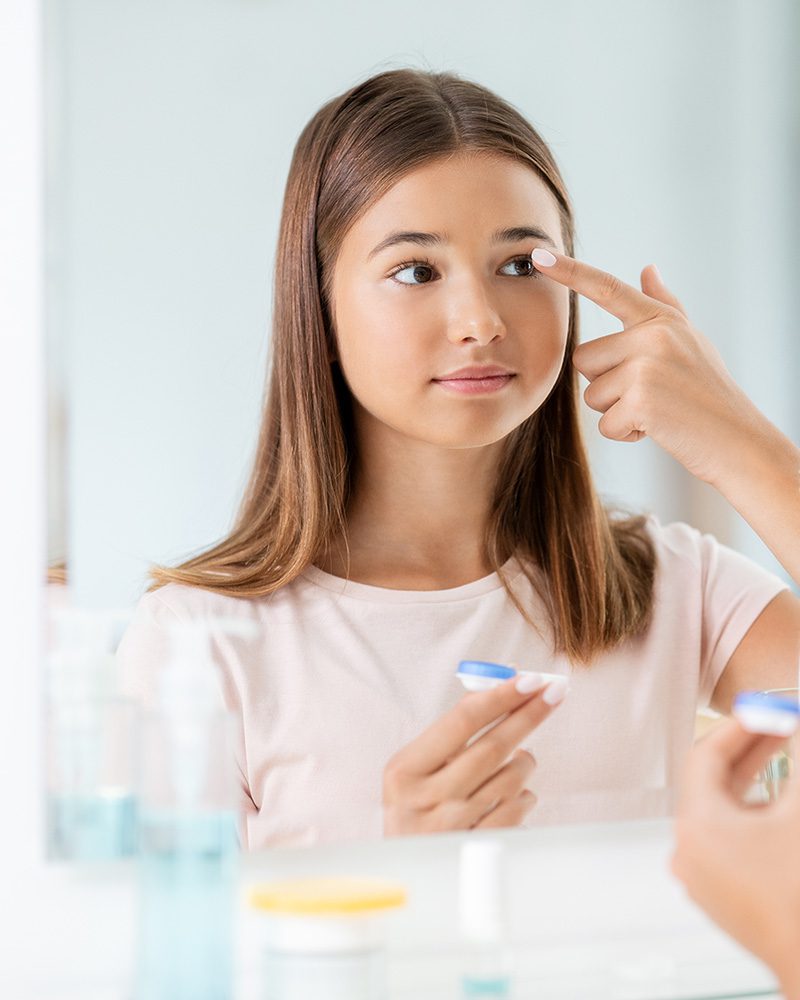
Myopia management options
A personalized treatment plan is based on your child’s age, prescription, eye health, and daily routine. Available options include:
MiSight 1 day lenses are daily disposable soft contact lenses designed for children with myopia. They correct distance vision while helping slow the progression of nearsightedness.
In a three-year clinical study, MiSight 1 day lenses slowed myopia progression by 59% on average compared with a standard single-vision daily disposable lens.¹ Your child’s doctor can help determine whether daily disposable contacts are a good fit for their maturity, lifestyle, and vision needs.
Stellest lenses are spectacle lenses designed to correct vision while helping slow myopia progression in children. They may be a good option for children who are not ready for specialized contact lenses or whose prescription has been steadily increasing.
Your doctor can recommend the best lens design and provide guidance for consistent wear and follow-up monitoring.
Help protect your child’s future vision
Myopia is more than a need for stronger glasses or contact lenses. With early detection, personalized care, and regular follow-up visits, you can take meaningful steps to support your child’s vision as they grow.
If you have noticed changes in your child’s distance vision or their prescription is increasing, schedule a myopia management evaluation in Wilmington.
Reference: