Progressive lenses are a type of multifocal eyewear designed to provide a seamless transition between different vision zones. Unlike traditional bifocals or trifocals, which have distinct lines separating the lens sections, progressive lenses offer a smooth gradient of varying lens powers. This design allows wearers to see clearly at multiple distances—near, intermediate, and far—without the abrupt changes that can be disorienting.
For many people, especially those over 40, progressive lenses can be a game-changer. They cater to the natural aging process of the eyes, where presbyopia—a condition that makes it difficult to focus on close objects—often sets in. With progressive lenses, you can read a book, work on a computer, or enjoy a scenic view without needing to switch between different pairs of glasses. This convenience is one of the main reasons they have gained popularity among those who require vision correction.
How Do Progressive Lenses Work?
The design of progressive lenses is what sets them apart from other types of lenses. They feature a gradient of lens powers that gradually change from the top to the bottom of the lens. The upper portion is typically optimized for distance vision, while the lower part is tailored for near vision tasks like reading. The middle section caters to intermediate distances, such as looking at a computer screen.
This gradual transition means that as you look through different parts of the lens, your vision adjusts accordingly. When you look up, you’re using the upper part for distance; when you look down, you’re using the lower part for reading. This design eliminates the need for multiple pairs of glasses and allows for a more natural visual experience. However, it can take some time to get used to this new way of seeing, as your eyes and brain learn to adapt to the different focal points.
The Development and History of Progressive Lenses

The journey of progressive lenses began in the early 20th century when optometrists and lens manufacturers started exploring ways to create multifocal lenses without visible lines. The first successful designs emerged in the 1950s and 1960s, thanks to advancements in optical technology and materials. These early progressive lenses were often bulky and not as aesthetically pleasing as modern versions, but they laid the groundwork for future innovations.
Over the decades, improvements in lens design and manufacturing techniques have led to more comfortable and effective progressive lenses. The introduction of computer-aided design (CAD) in the 1980s revolutionized how lenses were crafted, allowing for more precise measurements and personalized fitting. Today’s progressive lenses are thinner, lighter, and offer wider fields of vision compared to their predecessors, making them a popular choice for those needing multifocal correction.
The Science of Optics: How Progressive Lenses Correct Vision
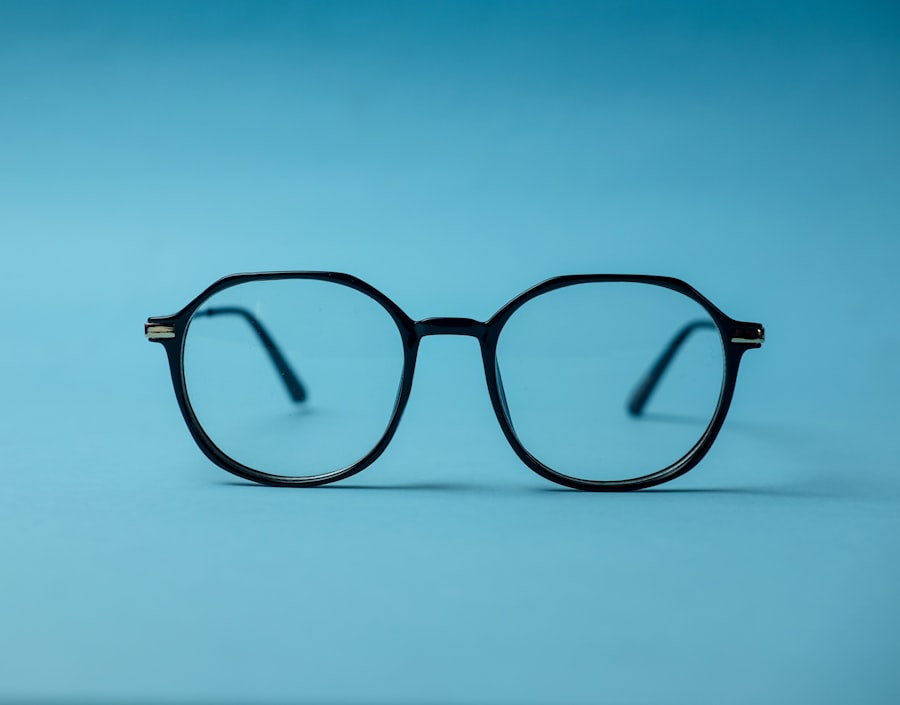
At the core of progressive lenses is the science of optics, which involves understanding how light interacts with different materials. When light passes through a lens, it bends or refracts based on the curvature and thickness of the lens material. Progressive lenses utilize this principle by incorporating multiple curvatures within a single lens.
The varying curvature allows for different focal points within the same lens. For instance, when you look through the top portion of a progressive lens, light is directed in such a way that it focuses on distant objects clearly. As you move your gaze downward, the curvature changes gradually, allowing for clear vision at closer distances. This sophisticated design minimizes distortion and provides a more natural visual experience compared to traditional multifocal lenses.
The Importance of Proper Fitting for Progressive Lenses
| Progressive Lenses | Traditional Bifocals | Traditional Trifocals |
|---|---|---|
| Provide seamless transition between near, intermediate, and distance vision | Have a visible line separating near and distance vision | Have two visible lines separating near, intermediate, and distance vision |
| Offer a more natural vision experience | May cause image jump when switching between near and distance vision | May cause image jump when switching between near, intermediate, and distance vision |
| Allow for a wider field of vision | Have limited intermediate vision area | Have limited intermediate vision area |
| Can be customized for individual prescription needs | Have fixed near and distance prescription areas | Have fixed near, intermediate, and distance prescription areas |
Getting the right fit for progressive lenses is crucial for optimal performance. Unlike single-vision lenses, which can be more forgiving in terms of positioning on your face, progressive lenses require precise alignment with your eyes. An improper fit can lead to discomfort, headaches, or difficulty seeing clearly at certain distances.
During an eye exam for progressive lenses, your optometrist will take detailed measurements of your eyes and face. This includes measuring the distance between your pupils and how high the lenses should sit on your nose. A well-fitted pair of progressive lenses will ensure that you can easily transition between different vision zones without straining your eyes or neck.
Advantages and Disadvantages of Progressive Lenses
Like any product, progressive lenses come with their own set of advantages and disadvantages. On the plus side, they offer a convenient all-in-one solution for those who need vision correction at multiple distances. This eliminates the hassle of switching between different pairs of glasses and provides a more natural visual experience.
However, there are some downsides to consider as well. Some users may experience initial discomfort or difficulty adjusting to the new lens design. The peripheral vision can also be less clear compared to single-vision lenses due to the gradient nature of progressives. Additionally, they tend to be more expensive than traditional bifocals or single-vision lenses, which can be a consideration for some wearers.
The Future of Progressive Lens Technology
As technology continues to advance, so does the potential for improvements in progressive lens design. Innovations in materials and manufacturing processes are leading to thinner and lighter lenses that maintain high optical quality. Additionally, digital lens technology is paving the way for more personalized designs tailored to individual visual needs.
Future developments may also include smart lenses that integrate augmented reality features or adaptive optics that adjust based on lighting conditions or user preferences. As research continues in this field, we can expect progressive lenses to become even more effective and user-friendly.
Tips for Adjusting to Progressive Lenses
If you’re new to progressive lenses, it’s normal to take some time to adjust. Here are a few tips that might help ease the transition:
1. **Give It Time**: Your eyes and brain need time to adapt to the new visual experience. Wear your glasses consistently throughout the day to help speed up this process.
2. **Practice Head Movements**: Instead of moving your eyes alone when looking at different distances, try moving your head as well. This can help you find the right part of the lens more easily.
3. **Be Patient**: It’s common to feel some discomfort or distortion initially. If it persists beyond a couple of weeks, consult your optometrist for adjustments or advice.
4. **Use Proper Lighting**: Good lighting can make a significant difference when reading or working on tasks that require close vision.
5. **Stay Positive**: Remember that many people successfully adapt to progressive lenses and find them incredibly beneficial once they do.
In conclusion, progressive lenses offer a versatile solution for those needing multifocal vision correction. Understanding how they work and their history can enhance your appreciation for this technology while proper fitting and adjustment techniques can ensure you get the most out of your new eyewear. Whether you’re considering making the switch or have already taken the plunge, knowing what to expect can make all the difference in your experience with progressive lenses.
FAQs
What are progressive lenses?
Progressive lenses are a type of multifocal lens that provides a seamless progression of prescription strengths for distance, intermediate, and near vision. They are designed to eliminate the visible lines found in traditional bifocal or trifocal lenses.
How do progressive lenses work?
Progressive lenses work by gradually changing the prescription strength from the top of the lens (for distance vision) to the bottom of the lens (for near vision). This allows wearers to see clearly at all distances without the need to switch between different pairs of glasses.
What are the benefits of progressive lenses?
Progressive lenses offer a more natural and seamless transition between different prescription strengths, providing wearers with clear vision at all distances. They also eliminate the need for multiple pairs of glasses, making them more convenient and aesthetically pleasing.
Who can benefit from progressive lenses?
Progressive lenses are ideal for individuals who have presbyopia, a common age-related condition that affects near vision. They are also suitable for those who require correction for both distance and near vision, such as individuals with astigmatism or myopia.
How are progressive lenses different from bifocal or trifocal lenses?
Progressive lenses differ from bifocal or trifocal lenses in that they do not have visible lines separating the different prescription strengths. This provides a more natural and aesthetically pleasing appearance, as well as a smoother transition between different viewing distances.