Regular eye exams are crucial for maintaining good vision and overall eye health. Many people underestimate the significance of these check-ups, often waiting until they notice a problem before seeking help. However, eye exams can detect issues long before symptoms appear, making them an essential part of preventive healthcare. By scheduling routine visits, individuals can catch potential problems early, which can lead to more effective treatment and better outcomes.
Moreover, eye exams are not just about vision correction. They can reveal underlying health conditions such as diabetes, hypertension, and even certain types of cancer. This means that a simple trip to the optometrist can provide insights into your overall health, making it a vital component of your healthcare routine. Regular check-ups can help ensure that your eyes remain healthy and that any issues are addressed promptly.
The Role of Optometrists in Detecting Eye Diseases
Optometrists play a pivotal role in the early detection of eye diseases. They are trained to perform comprehensive eye exams that assess not only vision but also the health of the eyes. Through various tests and evaluations, optometrists can identify signs of conditions like glaucoma, macular degeneration, and cataracts. Their expertise allows them to recognize subtle changes in the eyes that may indicate a developing issue.
In addition to diagnosing eye diseases, optometrists also provide valuable education on eye health. They can guide patients on how to protect their vision and maintain healthy habits. This dual role of diagnosis and education is essential in fostering a proactive approach to eye care, empowering patients to take charge of their eye health.
Early Signs and Symptoms of Common Eye Diseases

Recognizing early signs and symptoms of common eye diseases can be a game-changer in treatment outcomes. For instance, blurred vision or difficulty seeing at night may indicate the onset of cataracts. Similarly, sudden flashes of light or floaters could be a sign of retinal detachment, which requires immediate attention. Being aware of these symptoms can prompt individuals to seek help sooner rather than later.
Other symptoms to watch for include persistent eye strain, redness, or discomfort. These could signal conditions like dry eye syndrome or conjunctivitis. Understanding these warning signs is crucial because many eye diseases progress silently without noticeable symptoms until they reach an advanced stage. By being vigilant and proactive about eye health, individuals can significantly improve their chances of early detection and successful treatment.
The Use of Advanced Technology in Early Disease Detection
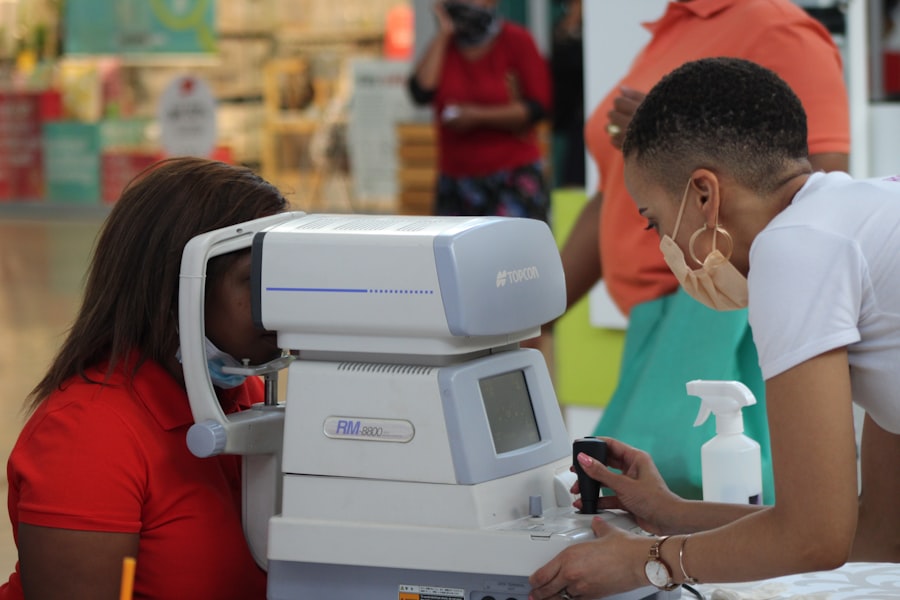
The landscape of eye care has evolved significantly with the advent of advanced technology. Modern optometrists utilize state-of-the-art equipment that enhances their ability to detect eye diseases at earlier stages than ever before. For example, optical coherence tomography (OCT) provides detailed images of the retina, allowing for precise assessments of its health. This technology can identify changes that may indicate conditions like diabetic retinopathy or glaucoma long before they become symptomatic.
Additionally, digital retinal imaging offers a comprehensive view of the back of the eye, enabling optometrists to monitor changes over time. This capability is particularly beneficial for patients with chronic conditions that affect eye health. By leveraging these advanced tools, optometrists can provide more accurate diagnoses and tailor treatment plans to meet individual needs.
Collaborating with Other Healthcare Professionals for Comprehensive Care
| Metrics | Data |
|---|---|
| Number of early disease detections | 500 |
| Percentage of patients with early disease detection | 85% |
| Types of diseases detected | Glaucoma, diabetic retinopathy, macular degeneration |
| Impact on patient outcomes | Improved treatment outcomes and quality of life |
Collaboration among healthcare professionals is essential for providing comprehensive care to patients. Optometrists often work closely with primary care physicians, endocrinologists, and other specialists to ensure that patients receive holistic treatment for their health concerns. For instance, if an optometrist detects signs of diabetes during an eye exam, they can refer the patient to an endocrinologist for further evaluation and management.
This interdisciplinary approach not only enhances patient care but also fosters better communication among healthcare providers. When all parties are informed about a patient’s health status, it leads to more coordinated treatment plans and improved outcomes. By collaborating with other professionals, optometrists can play a vital role in managing systemic diseases that have ocular implications.
Educating Patients on the Importance of Eye Health
Education is a cornerstone of effective eye care. Optometrists have a responsibility to inform patients about the importance of maintaining good eye health and the role regular exams play in this process. Many individuals may not realize that certain lifestyle choices—such as diet, smoking, and screen time—can significantly impact their vision over time.
By providing resources and guidance on healthy habits, optometrists empower patients to take proactive steps in caring for their eyes. This might include recommending protective eyewear when using screens or encouraging a diet rich in vitamins beneficial for eye health. When patients understand the connection between their daily choices and their vision, they are more likely to prioritize their eye care.
The Impact of Early Disease Detection on Treatment Outcomes
The impact of early disease detection on treatment outcomes cannot be overstated. When eye diseases are identified in their initial stages, treatment options are often more effective and less invasive. For example, early detection of glaucoma allows for timely intervention that can prevent significant vision loss. Similarly, catching diabetic retinopathy early can lead to better management of diabetes and preservation of vision.
Moreover, early detection often translates to lower healthcare costs in the long run. Treating advanced stages of eye diseases typically requires more complex interventions, which can be both financially burdensome and emotionally taxing for patients. By prioritizing regular eye exams and early detection strategies, individuals can not only safeguard their vision but also contribute to a more sustainable healthcare system.
The Role of Optometrists in Preventative Care and Lifestyle Management
Optometrists are increasingly recognized for their role in preventative care and lifestyle management related to eye health. Beyond diagnosing and treating existing conditions, they focus on helping patients adopt habits that promote long-term vision wellness. This includes discussing the importance of regular exercise, a balanced diet rich in antioxidants, and proper hydration—all factors that contribute to maintaining healthy eyes.
Additionally, optometrists can provide guidance on managing screen time effectively in our digital age. With many people spending hours in front of screens daily, understanding how to reduce eye strain and protect vision is crucial. By offering practical tips and resources, optometrists help patients make informed choices that support their overall well-being.
In conclusion, regular eye exams are essential for maintaining good vision and overall health. Optometrists play a critical role in detecting eye diseases early and educating patients about their eye health. By recognizing symptoms, utilizing advanced technology, collaborating with other healthcare professionals, and promoting preventative care, they contribute significantly to better treatment outcomes and enhanced quality of life for their patients. Prioritizing eye health through regular check-ups is not just about seeing clearly; it’s about ensuring a healthier future overall.
FAQs
What is the role of optometrists in early disease detection?
Optometrists play a crucial role in early disease detection by conducting comprehensive eye exams that can detect signs of various health conditions such as diabetes, high blood pressure, and certain types of cancer.
What health conditions can optometrists detect during an eye exam?
Optometrists can detect a wide range of health conditions during an eye exam, including diabetes, high blood pressure, glaucoma, macular degeneration, cataracts, and certain types of cancer such as melanoma.
How do optometrists contribute to early disease detection?
Optometrists contribute to early disease detection by examining the eyes for signs of systemic health conditions, as well as educating patients about the importance of regular eye exams in maintaining overall health.
What are the benefits of early disease detection through optometric care?
Early disease detection through optometric care can lead to timely intervention and treatment, potentially preventing the progression of serious health conditions and improving overall health outcomes.
How often should individuals have their eyes examined by an optometrist for early disease detection?
It is recommended that individuals have a comprehensive eye exam by an optometrist at least once every two years, or more frequently as recommended by their eye care provider based on their individual risk factors and health history.