Diabetes is a chronic condition that affects millions of people worldwide, and its impact extends beyond blood sugar levels. One of the lesser-known but significant complications of diabetes is its effect on eye health. High blood sugar can lead to various eye problems, some of which can result in severe vision loss if not addressed promptly. Understanding the relationship between diabetes and eye health is crucial for anyone living with this condition, as it can help in taking proactive steps to protect one’s vision.
The connection between diabetes and eye health primarily revolves around the damage that high glucose levels can inflict on the blood vessels in the eyes. Over time, this damage can lead to conditions like diabetic retinopathy, cataracts, and glaucoma. By being aware of these potential complications, individuals with diabetes can better manage their health and seek timely medical intervention when necessary. This article will delve into diabetic retinopathy, other eye complications related to diabetes, symptoms to watch for, diagnostic methods, treatment options, preventive measures, and the importance of regular eye exams.
Understanding Diabetic Retinopathy
Diabetic retinopathy is one of the most common eye complications associated with diabetes. It occurs when high blood sugar levels damage the tiny blood vessels in the retina, the light-sensitive tissue at the back of the eye. Initially, this condition may not present any noticeable symptoms, making it particularly insidious. As the disease progresses, however, it can lead to significant vision impairment or even blindness if left untreated.
There are two main stages of diabetic retinopathy: non-proliferative and proliferative. In the non-proliferative stage, small blood vessels leak fluid or bleed into the retina, causing swelling and affecting vision. In the proliferative stage, new blood vessels grow abnormally on the retina’s surface, which can lead to more severe bleeding and scarring. Understanding these stages is essential for individuals with diabetes, as early detection and intervention can significantly alter the course of the disease.
Other Eye Complications Related to Diabetes
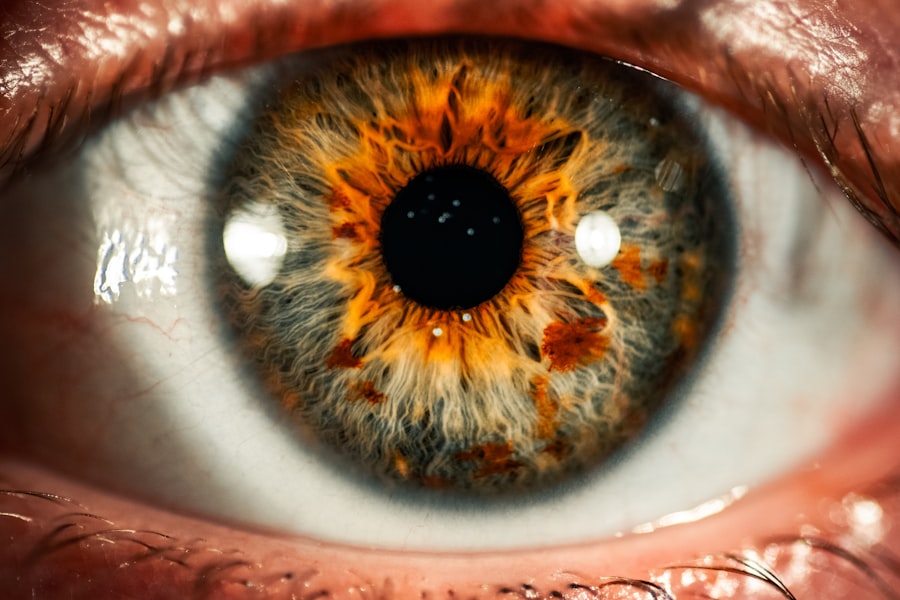
While diabetic retinopathy is a primary concern for those with diabetes, it’s not the only eye complication that can arise. Cataracts and glaucoma are two other conditions that people with diabetes are at a higher risk of developing. Cataracts occur when the lens of the eye becomes cloudy, leading to blurred vision and difficulty seeing at night. People with diabetes tend to develop cataracts at a younger age than those without the condition.
Glaucoma, on the other hand, involves damage to the optic nerve often associated with increased pressure in the eye. This condition can lead to peripheral vision loss and, if untreated, can result in complete blindness. The risk factors for glaucoma are heightened in individuals with diabetes due to changes in blood flow and pressure within the eye. Being aware of these potential complications is vital for anyone managing diabetes.
Symptoms of Diabetic Eye Disease

Recognizing the symptoms of diabetic eye disease is crucial for early intervention. In the case of diabetic retinopathy, early stages may not present any symptoms at all. However, as the condition progresses, individuals may notice blurred or distorted vision, difficulty seeing colors, or dark spots in their field of vision. These symptoms can vary widely from person to person, making it essential to remain vigilant.
For cataracts, common symptoms include cloudy or blurry vision, increased sensitivity to glare, and difficulty seeing at night. People may also find that they need frequent changes in their glasses prescription. Glaucoma symptoms can be more subtle initially but may include tunnel vision or sudden eye pain accompanied by nausea and vomiting in acute cases. If any of these symptoms arise, it’s important to consult an eye care professional promptly.
Diagnosing and Monitoring Diabetic Eye Complications
| Effect | Description |
|---|---|
| Blurred Vision | High blood sugar levels can cause the lens of the eye to swell, leading to blurred vision. |
| Glaucoma | Diabetes increases the risk of developing glaucoma, a condition that damages the optic nerve. |
| Cataracts | People with diabetes are more likely to develop cataracts, a clouding of the eye’s lens. |
| Retinopathy | Diabetic retinopathy is a leading cause of blindness in adults, caused by damage to the blood vessels in the retina. |
Diagnosing diabetic eye complications typically involves a comprehensive eye examination by an ophthalmologist or optometrist. During this exam, various tests may be conducted to assess the health of the retina and other structures within the eye. One common method is a dilated eye exam, where drops are used to widen the pupils, allowing for a better view of the retina.
In addition to standard examinations, imaging tests such as optical coherence tomography (OCT) and fluorescein angiography may be employed. OCT provides detailed images of the retina’s layers, helping to identify swelling or fluid buildup. Fluorescein angiography involves injecting a dye into a vein and taking photographs of the retina as the dye circulates, highlighting any areas of leakage or abnormal blood vessel growth. Regular monitoring is essential for individuals with diabetes to catch any changes early.
Treatment Options for Diabetic Eye Disease
Treatment options for diabetic eye disease vary depending on the specific condition and its severity. For early-stage diabetic retinopathy, managing blood sugar levels through diet, exercise, and medication can often halt progression. However, more advanced cases may require medical interventions such as laser therapy or injections of medications directly into the eye.
Laser treatment aims to seal leaking blood vessels or reduce abnormal blood vessel growth in proliferative diabetic retinopathy. Injections of anti-VEGF (vascular endothelial growth factor) medications can help reduce swelling in the retina by blocking signals that promote abnormal blood vessel growth. For cataracts, surgical removal of the cloudy lens and replacement with an artificial lens is a common and effective treatment option. Glaucoma may be managed with medications or surgery to lower intraocular pressure.
Preventing Diabetic Eye Complications
Preventing diabetic eye complications largely revolves around effective management of diabetes itself. Keeping blood sugar levels within target ranges is crucial; this often involves a combination of healthy eating, regular physical activity, and adherence to prescribed medications. Regular monitoring of blood glucose levels can help individuals stay on track.
In addition to managing blood sugar levels, controlling blood pressure and cholesterol is also important for eye health. Regular check-ups with healthcare providers can help ensure that these factors are monitored effectively. Lifestyle changes such as quitting smoking and maintaining a healthy weight can further reduce risks associated with diabetic eye disease.
Importance of Regular Eye Exams for People with Diabetes
For individuals living with diabetes, regular eye exams are not just recommended; they are essential. The American Diabetes Association suggests that adults with diabetes have a comprehensive eye exam at least once a year. These exams are critical for detecting any changes in eye health early on when treatment is most effective.
Regular visits to an eye care professional allow for ongoing monitoring of any existing conditions and provide an opportunity for education about maintaining eye health. It’s also a chance to discuss any new symptoms or concerns that may arise between appointments. By prioritizing regular eye exams, individuals with diabetes can take proactive steps toward preserving their vision and overall quality of life.
In conclusion, understanding the relationship between diabetes and eye health is vital for anyone managing this chronic condition. By being aware of potential complications like diabetic retinopathy and other related issues, recognizing symptoms early on, and committing to regular check-ups with healthcare providers, individuals can significantly reduce their risk of severe vision loss. Taking these steps not only protects eyesight but also enhances overall well-being in living with diabetes.
FAQs
What is diabetic retinopathy?
Diabetic retinopathy is a complication of diabetes that affects the eyes. It occurs when high blood sugar levels damage the blood vessels in the retina, leading to vision problems and potential blindness if left untreated.
How does diabetes affect the eyes?
Diabetes can affect the eyes in several ways, including causing diabetic retinopathy, cataracts, and glaucoma. High blood sugar levels can damage the blood vessels in the eyes, leading to vision problems and potential blindness.
What are the symptoms of diabetic eye disease?
Symptoms of diabetic eye disease may include blurred or distorted vision, floaters, difficulty seeing at night, and sudden loss of vision. It is important for individuals with diabetes to have regular eye exams to detect any potential issues early.
How can diabetic eye disease be prevented?
Diabetic eye disease can be prevented or slowed down by managing blood sugar levels, blood pressure, and cholesterol. It is also important for individuals with diabetes to have regular eye exams and to follow their doctor’s recommendations for managing their condition.
How is diabetic eye disease treated?
Treatment for diabetic eye disease may include laser therapy, injections, or surgery, depending on the severity of the condition. It is important for individuals with diabetes to work closely with their eye care professional to determine the best course of treatment for their specific situation.