Ultraviolet (UV) rays from the sun can have detrimental effects on eye health. Prolonged exposure to these rays can lead to various eye conditions, including cataracts, macular degeneration, and even skin cancer around the eyelids. It is essential to take preventive measures to shield your eyes from harmful UV radiation. Wearing sunglasses that block 100% of UVA and UVB rays is one of the most effective ways to protect your eyes. When selecting sunglasses, look for labels that indicate they provide full UV protection, as not all sunglasses offer the same level of defense.
In addition to sunglasses, wearing a wide-brimmed hat can further reduce UV exposure. This combination of protective eyewear and headgear is particularly important during peak sunlight hours, typically between 10 a.m. and 4 p.m. Even on cloudy days, UV rays can penetrate through clouds, making it crucial to maintain protective habits year-round. By taking these precautions, you can significantly lower your risk of developing UV-related eye issues and promote long-term eye health.
Eat a Balanced Diet for Eye Health
A balanced diet plays a vital role in maintaining optimal eye health. Nutrients such as vitamins A, C, and E, along with omega-3 fatty acids, are particularly beneficial for the eyes. Foods rich in these nutrients include leafy greens, carrots, fish, nuts, and citrus fruits. Vitamin A is essential for good vision, while antioxidants like vitamins C and E help combat oxidative stress that can damage eye cells. Incorporating a variety of colorful fruits and vegetables into your meals can ensure you receive a broad spectrum of nutrients that support eye function.
Moreover, omega-3 fatty acids found in fish like salmon and sardines are known to promote retinal health and may help prevent dry eye syndrome. Studies suggest that diets high in these healthy fats can reduce the risk of age-related macular degeneration (AMD). By focusing on a diet rich in whole foods and minimizing processed items high in sugar and unhealthy fats, you can contribute to better eye health and overall well-being.
Stay Hydrated for Optimal Eye Function
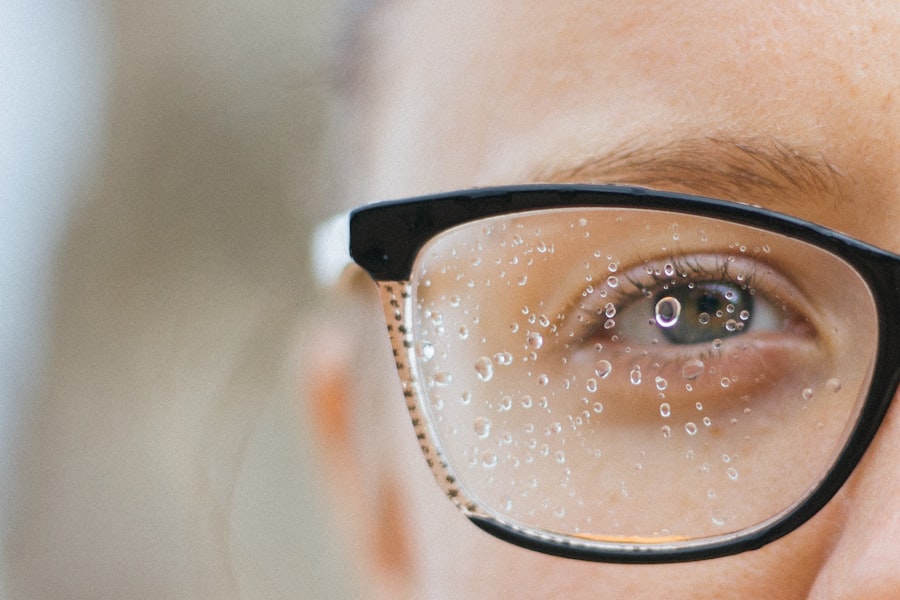
Hydration is crucial for maintaining optimal eye function. The eyes require adequate moisture to operate effectively, and dehydration can lead to discomfort and dryness. When the body is not sufficiently hydrated, tear production decreases, which can result in dry eyes and irritation. Drinking enough water throughout the day helps maintain the balance of fluids in the body, including those in the eyes. It is generally recommended to consume at least eight 8-ounce glasses of water daily, though individual needs may vary based on activity level and climate.
In addition to drinking water, consuming foods with high water content can also aid in hydration. Fruits like watermelon and cucumbers are excellent choices that contribute to overall fluid intake. Staying hydrated not only benefits your eyes but also supports other bodily functions, including digestion and circulation. By prioritizing hydration, you can help ensure that your eyes remain comfortable and function optimally.
Practice Good Eye Hygiene
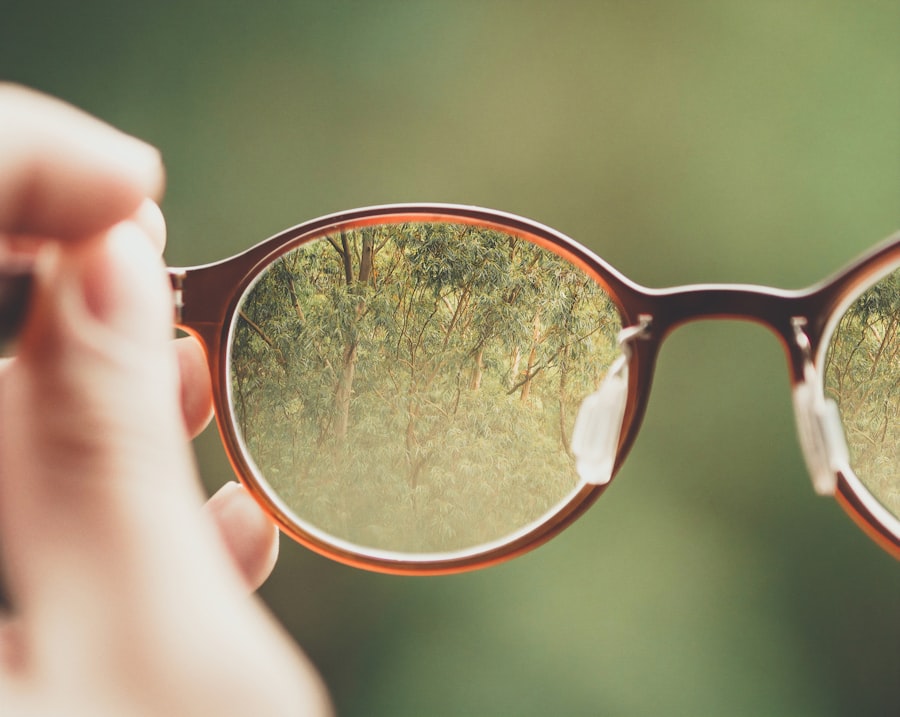
Good eye hygiene is essential for preventing infections and maintaining overall eye health. Simple practices can significantly reduce the risk of developing conditions such as conjunctivitis or other eye irritations. One fundamental aspect of eye hygiene is washing your hands regularly, especially before touching your eyes or handling contact lenses. This practice helps prevent the transfer of bacteria and other pathogens that can lead to infections.
Additionally, it is important to clean any eyewear regularly, including glasses and contact lenses. For contact lens users, following proper cleaning and storage guidelines is crucial to avoid complications. Using a clean case and replacing lenses as recommended by an eye care professional can help maintain eye health. Furthermore, avoiding rubbing your eyes can prevent irritation and potential damage to the cornea. By adopting these simple yet effective hygiene practices, you can protect your eyes from unnecessary risks.
Take Breaks from Screen Time
| Season | Tip | Recommended Action | Benefit |
|---|---|---|---|
| Spring | Protect eyes from pollen and allergens | Wear sunglasses and use antihistamine eye drops | Reduces eye irritation and redness |
| Summer | Shield eyes from UV rays | Wear UV-protective sunglasses and wide-brim hats | Prevents cataracts and macular degeneration |
| Fall | Maintain eye hydration | Use artificial tears and stay hydrated | Prevents dry eye syndrome |
| Winter | Protect eyes from cold and wind | Wear protective eyewear and use humidifiers indoors | Reduces dryness and irritation |
In today’s digital age, excessive screen time has become a common concern for many individuals. Prolonged exposure to screens can lead to digital eye strain, characterized by symptoms such as dryness, fatigue, and blurred vision. To mitigate these effects, it is essential to take regular breaks from screens. The 20-20-20 rule is a helpful guideline: every 20 minutes spent looking at a screen, take a 20-second break to look at something 20 feet away. This practice allows the eyes to relax and reduces strain.
Creating a comfortable viewing environment can also help alleviate discomfort associated with screen use. Adjusting screen brightness, ensuring proper lighting in the room, and maintaining an appropriate distance from the screen can contribute to a more pleasant viewing experience. Additionally, blinking frequently while using screens helps keep the eyes moist and reduces dryness. By incorporating these habits into your daily routine, you can minimize the negative impact of screen time on your eye health.
Get Regular Eye Check-ups
Regular eye check-ups are an essential component of maintaining good eye health. These examinations allow eye care professionals to detect potential issues early on before they develop into more serious conditions. Many eye diseases, such as glaucoma or diabetic retinopathy, may not present noticeable symptoms until significant damage has occurred. Routine check-ups enable timely intervention and treatment, which can preserve vision and overall eye health.
The frequency of eye exams may vary depending on age and individual risk factors. For instance, children should have their first comprehensive eye exam by age one and subsequent exams as recommended by their pediatrician or optometrist. Adults should generally have an eye exam every two years; however, those with existing vision problems or risk factors may require more frequent visits. By prioritizing regular check-ups, individuals can take proactive steps toward safeguarding their vision.
Wear Protective Eyewear for Outdoor Activities
Engaging in outdoor activities often exposes individuals to various environmental hazards that can pose risks to eye health. Wearing protective eyewear during activities such as sports or yard work is crucial for preventing injuries caused by flying debris or UV exposure. Sports goggles or safety glasses designed specifically for impact resistance can provide adequate protection during physical activities.
In addition to impact protection, specialized eyewear is available for specific outdoor conditions. For example, polarized sunglasses can reduce glare from reflective surfaces like water or snow, enhancing visibility while protecting against UV rays. When participating in activities such as skiing or cycling, wearing appropriate eyewear not only safeguards the eyes but also improves performance by providing clearer vision in challenging conditions. By investing in protective eyewear tailored to your activities, you can significantly reduce the risk of eye injuries.
Be Mindful of Seasonal Allergens and Eye Irritants
Seasonal allergens such as pollen can trigger allergic reactions that affect the eyes, leading to symptoms like redness, itching, and watering. Being mindful of these allergens is essential for individuals prone to allergies. During peak pollen seasons, it may be beneficial to limit outdoor activities when pollen counts are high or wear sunglasses to shield the eyes from airborne irritants.
In addition to pollen, other common irritants include dust mites, pet dander, and mold spores. Keeping living spaces clean and well-ventilated can help minimize exposure to these allergens. Using air purifiers and regularly washing bedding can also contribute to a healthier indoor environment for those with sensitivities. If allergic reactions persist despite these measures, consulting an eye care professional may be necessary for appropriate treatment options. By being proactive about managing allergens and irritants, individuals can maintain better eye comfort throughout the year.
FAQs
How can I protect my eyes during the summer?
Wearing sunglasses that block 100% of UVA and UVB rays, using a wide-brimmed hat, and applying lubricating eye drops can help protect your eyes from harmful sun exposure and dryness during the summer.
What are some ways to prevent dry eyes in the winter?
Using a humidifier indoors, wearing protective eyewear against cold winds, staying hydrated, and using artificial tears can help prevent dry eyes commonly experienced in winter.
How does diet affect eye health throughout the year?
Eating a balanced diet rich in antioxidants, omega-3 fatty acids, vitamins A, C, and E, and minerals like zinc supports overall eye health and can reduce the risk of age-related eye conditions.
Why is regular eye check-up important regardless of the season?
Regular eye exams help detect vision problems and eye diseases early, ensuring timely treatment and maintaining healthy vision throughout the year.
Can seasonal allergies affect my vision?
Yes, seasonal allergies can cause itchy, watery, and red eyes, which may temporarily affect vision. Managing allergies with appropriate medications and avoiding allergens can help maintain eye comfort and clarity.