When it comes to maintaining good eyesight, many people often think of regular eye exams or wearing the right prescription glasses. However, what you eat plays a crucial role in your eye health as well. A balanced diet rich in specific nutrients can help prevent vision problems and even improve your eyesight. The connection between diet and eye health is increasingly supported by research, highlighting the importance of nutrition in maintaining not just overall health but also the health of your eyes.
In this article, we’ll explore how certain nutrients and foods can support your vision. From antioxidants to omega-3 fatty acids, understanding what to include in your meals can empower you to take proactive steps toward better eye health. Let’s dive into the specifics of how diet influences eyesight and what you can do to nourish your eyes.
Nutrients that Support Eye Health
Several key nutrients are particularly beneficial for eye health. These include vitamins A, C, and E, as well as minerals like zinc. Vitamin A is essential for maintaining good vision, especially in low-light conditions. It helps form rhodopsin, a pigment in the retina that allows you to see in dim light. Without adequate vitamin A, you may experience night blindness or other vision issues.
Vitamin C and E are powerful antioxidants that protect the eyes from oxidative stress caused by free radicals. Zinc plays a vital role in transporting vitamin A from the liver to the retina, where it is needed for the production of melanin, a protective pigment in the eyes. Together, these nutrients work synergistically to support overall eye function and health.
Foods that Can Improve Eyesight
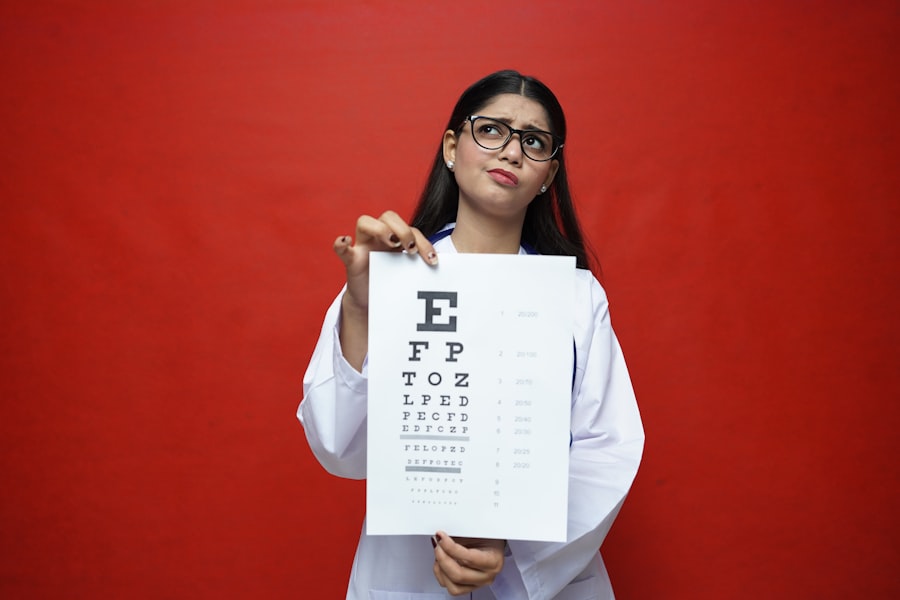
Incorporating specific foods into your diet can significantly enhance your eye health. Leafy greens like spinach and kale are excellent sources of lutein and zeaxanthin, two carotenoids that filter harmful blue light and protect the retina. These greens are not only versatile but also easy to add to salads, smoothies, or cooked dishes.
Carrots are often touted for their eye benefits due to their high beta-carotene content, which the body converts into vitamin While they may not be a miracle food for eyesight, they certainly contribute positively when included as part of a varied diet. Other colorful fruits and vegetables, such as bell peppers, sweet potatoes, and berries, also provide essential vitamins and antioxidants that support eye health.
The Role of Antioxidants in Eye Health

Antioxidants play a significant role in protecting the eyes from damage caused by oxidative stress. This stress can result from exposure to sunlight, pollution, and even digital screens. Antioxidants neutralize free radicals, which can lead to age-related macular degeneration (AMD) and cataracts if left unchecked.
Lutein and zeaxanthin, mentioned earlier, are particularly effective antioxidants for eye health. They accumulate in the retina and help filter harmful light wavelengths. Additionally, vitamin C is known for its ability to reduce the risk of cataracts and AMD by combating oxidative damage. Including a variety of antioxidant-rich foods in your diet can create a protective barrier for your eyes against these common age-related conditions.
How Omega-3 Fatty Acids Benefit Eyesight
| Dietary Factor | Impact on Eyesight |
|---|---|
| Omega-3 Fatty Acids | May help protect eyes from age-related macular degeneration and dry eye syndrome |
| Lutein and Zeaxanthin | Can reduce the risk of chronic eye diseases, including age-related macular degeneration and cataracts |
| Vitamin C | May lower the risk of developing cataracts and slow the progression of age-related macular degeneration |
| Vitamin E | May help protect cells in the eyes from damage caused by free radicals |
| Zinc | Can help reduce the risk of age-related macular degeneration |
Omega-3 fatty acids are another crucial component of a diet that supports eye health. These essential fats are found in high concentrations in fish like salmon, mackerel, and sardines. They play a vital role in maintaining the structural integrity of cell membranes in the retina and are known to support overall visual function.
Research has shown that omega-3 fatty acids can help alleviate dry eye syndrome by improving tear production and reducing inflammation. For those who spend long hours in front of screens or suffer from environmental irritants, incorporating omega-3-rich foods can provide relief and enhance comfort. If you’re not a fan of fish, consider plant-based sources like flaxseeds or walnuts as alternatives.
The Impact of Vitamin A on Vision
Vitamin A is often referred to as the “vision vitamin” for good reason. It is crucial for maintaining healthy vision and preventing night blindness. This vitamin is found in two primary forms: preformed vitamin A (found in animal products) and provitamin A carotenoids (found in plant-based foods). Both forms contribute to overall eye health but serve different functions.
In addition to its role in vision, vitamin A supports the health of the cornea—the outer layer of the eye—and helps maintain proper function of the conjunctival membranes. A deficiency in vitamin A can lead to serious eye problems, including xerophthalmia, which can cause blindness if left untreated. Ensuring you get enough vitamin A through your diet is essential for keeping your eyes healthy.
Tips for Incorporating Eye-Healthy Foods into Your Diet
Making dietary changes doesn’t have to be overwhelming. Here are some practical tips for incorporating eye-healthy foods into your daily meals:
1. **Start with Breakfast**: Add spinach or kale to your morning smoothie or omelet. You can also enjoy a bowl of oatmeal topped with berries for a nutritious start to your day.
2. **Snack Smart**: Instead of reaching for chips or cookies, opt for carrot sticks with hummus or a handful of nuts rich in omega-3s.
3. **Color Your Plate**: Aim for a rainbow of fruits and vegetables at lunch and dinner. The more colorful your plate, the more likely you are to get a variety of nutrients beneficial for your eyes.
4. **Fish Twice a Week**: Try to include fatty fish in your meals at least twice a week. If you’re not keen on cooking fish, canned options like tuna or salmon can be convenient alternatives.
5. **Stay Hydrated**: Don’t forget about hydration! Drinking enough water is essential for maintaining moisture in your eyes and preventing dryness.
By making small adjustments to your eating habits, you can easily incorporate more eye-healthy foods into your diet without feeling deprived or overwhelmed.
The Importance of a Balanced Diet for Maintaining Healthy Eyes
In conclusion, maintaining healthy eyesight goes beyond regular check-ups and wearing glasses; it starts with what you put on your plate. A balanced diet rich in specific nutrients—such as vitamins A, C, E, omega-3 fatty acids, and antioxidants—can significantly impact your eye health over time. By being mindful of what you eat and making conscious choices to include eye-friendly foods, you can help protect your vision as you age.
Remember that it’s not just about individual foods but rather about creating a well-rounded diet that supports overall health. So next time you plan your meals or snacks, think about how they contribute not only to your general well-being but also to the health of your eyes. Taking these steps today can lead to clearer vision tomorrow.
FAQs
What role does diet play in maintaining good eyesight?
A healthy diet can play a significant role in maintaining good eyesight. Nutrients such as omega-3 fatty acids, lutein, zinc, and vitamins C and E can help prevent age-related vision problems such as macular degeneration and cataracts.
What foods are beneficial for eye health?
Foods that are beneficial for eye health include leafy green vegetables, fatty fish, eggs, nuts, seeds, citrus fruits, and carrots. These foods are rich in the nutrients that support good vision.
Can a poor diet negatively impact eyesight?
Yes, a poor diet can negatively impact eyesight. Consuming excessive amounts of unhealthy fats, processed foods, and sugary snacks can contribute to conditions such as diabetes and obesity, which are risk factors for vision problems.
Are there specific diets or eating patterns that are recommended for maintaining good eyesight?
There is no specific diet that guarantees perfect eyesight, but following a balanced diet that includes a variety of fruits, vegetables, whole grains, lean proteins, and healthy fats can support overall eye health.
Should I consult with a healthcare professional before making changes to my diet for eye health?
It is always a good idea to consult with a healthcare professional, such as a registered dietitian or an ophthalmologist, before making significant changes to your diet for the purpose of improving your eyesight. They can provide personalized recommendations based on your individual health needs.