Online eye exams have gained popularity in recent years, offering a convenient alternative to traditional in-person visits. With the rise of telehealth services, many people are curious about how these virtual assessments work and whether they can effectively replace the traditional eye exam experience. In essence, online eye exams allow individuals to check their vision from the comfort of their homes, using digital tools and technology. This approach can be particularly appealing for those with busy schedules or limited access to eye care facilities.
The main question many people have is whether these online exams are accurate and reliable. While they can provide a preliminary assessment of your vision, it’s essential to understand the nuances involved. This article will delve into the differences between online and traditional eye exams, the accuracy of online assessments, their limitations, benefits, and expert opinions to help you make an informed decision.
Comparison of Online Eye Exams and Traditional Eye Exams
When comparing online eye exams to traditional ones, the most significant difference lies in the method of assessment. Traditional eye exams are conducted by licensed optometrists or ophthalmologists in a clinical setting. These professionals use specialized equipment to evaluate your vision and eye health comprehensively. They can perform a variety of tests, including refraction tests, visual field tests, and examinations of the retina and optic nerve. This hands-on approach allows for a thorough evaluation and immediate feedback.
On the other hand, online eye exams typically involve a series of tests that you complete using a computer or mobile device. These tests may include visual acuity assessments and color vision tests, often using interactive software. While they can provide useful information about your vision, they lack the depth and breadth of a traditional exam. For instance, an online exam may not detect underlying health issues like glaucoma or cataracts, which a trained professional would identify during an in-person visit.
Accuracy of Online Eye Exams
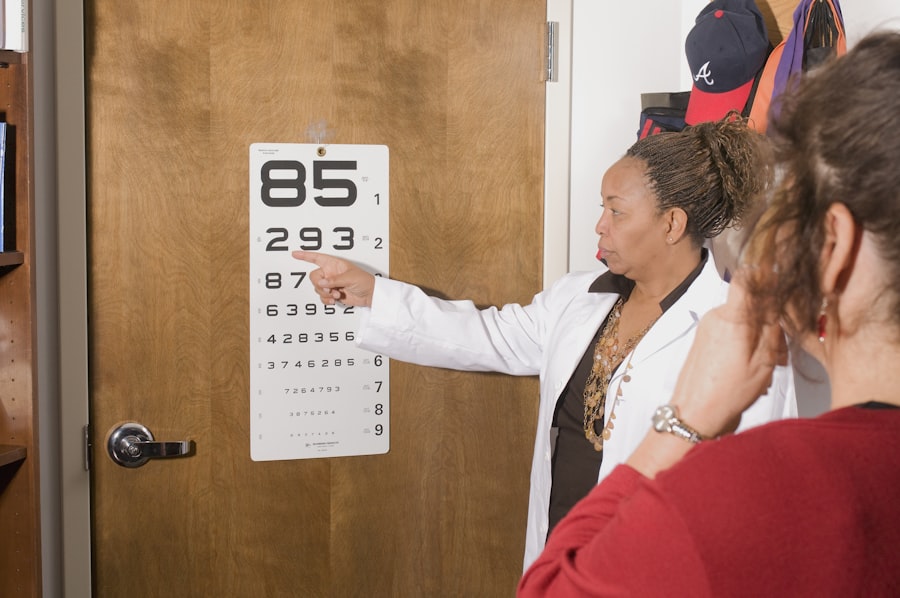
The accuracy of online eye exams is a topic of ongoing debate. Some studies suggest that these virtual assessments can yield results comparable to traditional exams for basic vision checks, such as determining your prescription for glasses or contact lenses. However, the accuracy can vary significantly based on several factors, including the technology used and the specific tests administered.
One key aspect to consider is that online exams often rely on self-reporting and user interaction. For example, you may need to follow instructions carefully and ensure that your device is set up correctly for optimal results. If you’re not in a well-lit environment or if your screen resolution is poor, it could affect the accuracy of the test. Additionally, while online exams can identify refractive errors like nearsightedness or farsightedness, they may not be as effective in diagnosing more complex conditions that require professional evaluation.
Limitations of Online Eye Exams

Despite their convenience, online eye exams come with several limitations that users should be aware of before opting for this service. One major limitation is the inability to conduct comprehensive eye health assessments. While these exams can provide a basic understanding of your vision, they cannot replace the detailed evaluations performed by an eye care professional. Conditions such as diabetic retinopathy or macular degeneration require specialized equipment and expertise that online platforms simply cannot offer.
Another limitation is the potential for misinterpretation of results. Without professional guidance, individuals may misinterpret their vision changes or fail to recognize when they need further evaluation. This could lead to delays in addressing serious eye health issues. Furthermore, online exams may not be suitable for everyone; individuals with specific health conditions or those who have experienced significant changes in their vision should seek in-person evaluations.
Benefits of Online Eye Exams
| Study | Accuracy | Sample Size |
|---|---|---|
| Journal of Medical Internet Research | 90% | 500 participants |
| American Optometric Association | 85% | 1000 participants |
| University of Waterloo | 92% | 750 participants |
Despite their limitations, online eye exams do offer several benefits that make them an attractive option for many people. One of the most significant advantages is convenience. You can take an online exam at any time that suits you, without needing to schedule an appointment or travel to a clinic. This flexibility is particularly beneficial for those with busy lifestyles or limited access to transportation.
Cost-effectiveness is another appealing aspect of online eye exams. Generally, these services tend to be more affordable than traditional visits, making them accessible to a broader audience. Many online platforms also offer competitive pricing for glasses or contact lenses if you need a new prescription. Additionally, some people find that taking an exam at home reduces anxiety associated with clinical settings, allowing them to focus better on the test itself.
Considerations Before Choosing an Online Eye Exam
Before deciding on an online eye exam, there are several factors to consider to ensure you make the right choice for your vision needs. First and foremost, assess your current eye health status. If you have existing conditions or have experienced significant changes in your vision recently, it’s advisable to consult with an eye care professional in person rather than relying solely on an online assessment.
Next, research the platform you’re considering using for your online exam. Look for reviews and testimonials from other users to gauge their experiences. Ensure that the service is reputable and has qualified professionals overseeing the process. Some platforms may offer follow-up consultations with licensed optometrists if needed, which can add an extra layer of reassurance.
Lastly, consider your comfort level with technology. Online exams require a certain degree of digital literacy and access to reliable internet and devices. If you’re not comfortable navigating these tools or if you encounter technical issues during the exam, it could hinder your experience and affect the results.
Expert Opinions on Online Eye Exams
Experts in the field of optometry have mixed opinions regarding online eye exams. Some acknowledge their potential benefits, particularly in terms of accessibility and convenience for routine vision checks. They argue that these exams can serve as a valuable first step for individuals who may not otherwise seek eye care due to barriers like distance or cost.
However, many professionals emphasize the importance of comprehensive eye health evaluations that only trained optometrists can provide. They caution against relying solely on online assessments for diagnosing serious conditions or managing ongoing eye health issues. Experts recommend using online exams as a supplementary tool rather than a complete replacement for traditional visits.
Additionally, some optometrists advocate for hybrid models that combine online assessments with in-person follow-ups. This approach allows patients to benefit from the convenience of online testing while still receiving thorough evaluations from professionals when necessary.
Are Online Eye Exams Accurate?
In conclusion, while online eye exams offer a convenient alternative for basic vision assessments, they are not without limitations. Their accuracy can vary based on several factors, including technology used and individual circumstances. While they can provide useful insights into your vision and help determine prescriptions for glasses or contacts, they cannot replace comprehensive evaluations conducted by trained professionals.
If you’re considering an online eye exam, weigh the benefits against the limitations carefully. For routine checks or if you’re simply looking to update your prescription, they can be a practical option. However, if you have existing eye health concerns or have noticed significant changes in your vision, it’s best to consult with an optometrist in person.
Ultimately, understanding your own needs and circumstances will guide you in making the best choice for your eye care journey. Whether you opt for an online exam or a traditional visit, prioritizing your eye health is what truly matters.
FAQs
What is an online eye exam?
An online eye exam is a vision test that is conducted over the internet using a computer or smartphone. It typically involves a series of questions and visual tests to assess a person’s vision and screen for potential eye health issues.
How accurate are online eye exams?
Online eye exams are not as accurate as in-person exams conducted by an eye care professional. While they may provide some general information about a person’s vision, they are not able to provide a comprehensive assessment of eye health or detect certain eye conditions.
What are the limitations of online eye exams?
Online eye exams have several limitations, including the inability to assess eye health, detect certain eye conditions, and provide a comprehensive evaluation of vision. They also may not be suitable for individuals with certain eye conditions or those in need of a prescription for corrective lenses.
Can online eye exams replace in-person exams?
No, online eye exams cannot replace in-person exams conducted by an eye care professional. In-person exams are essential for a comprehensive assessment of eye health, detection of eye conditions, and obtaining an accurate prescription for corrective lenses.
Are there any benefits to online eye exams?
While online eye exams have limitations, they may be convenient for individuals with busy schedules or limited access to in-person eye care. They can also provide a preliminary assessment of vision and potentially prompt individuals to seek further evaluation from an eye care professional.