Eye protection is often overlooked, yet it plays a crucial role in maintaining our overall health. Our eyes are exposed to various environmental factors daily, from harmful UV rays to dust and debris. Just like we wear sunscreen to protect our skin, we should also prioritize protecting our eyes. Neglecting this aspect can lead to long-term damage, including vision problems and accelerated aging of the eyes.
Moreover, the importance of eye protection extends beyond just wearing sunglasses on sunny days. It encompasses a broader understanding of how our daily habits and choices can impact our eye health. By being proactive about eye protection, we can significantly reduce the risk of developing serious conditions later in life. This awareness is essential for everyone, regardless of age or lifestyle.
How Sunglasses Can Prevent Eye Aging
Sunglasses are more than just a fashion accessory; they serve a vital function in preventing eye aging. Over time, exposure to UV rays can lead to various issues, including wrinkles around the eyes and other signs of premature aging. High-quality sunglasses can block these harmful rays, helping to maintain the skin’s elasticity and overall appearance around the eyes.
Additionally, wearing sunglasses can reduce glare, which not only enhances comfort but also minimizes squinting. Squinting can contribute to the formation of fine lines and wrinkles over time. By choosing sunglasses that fit well and provide adequate coverage, you can protect your eyes and the delicate skin surrounding them, ultimately contributing to a more youthful appearance.
Understanding UV Rays and Their Effects on the Eyes
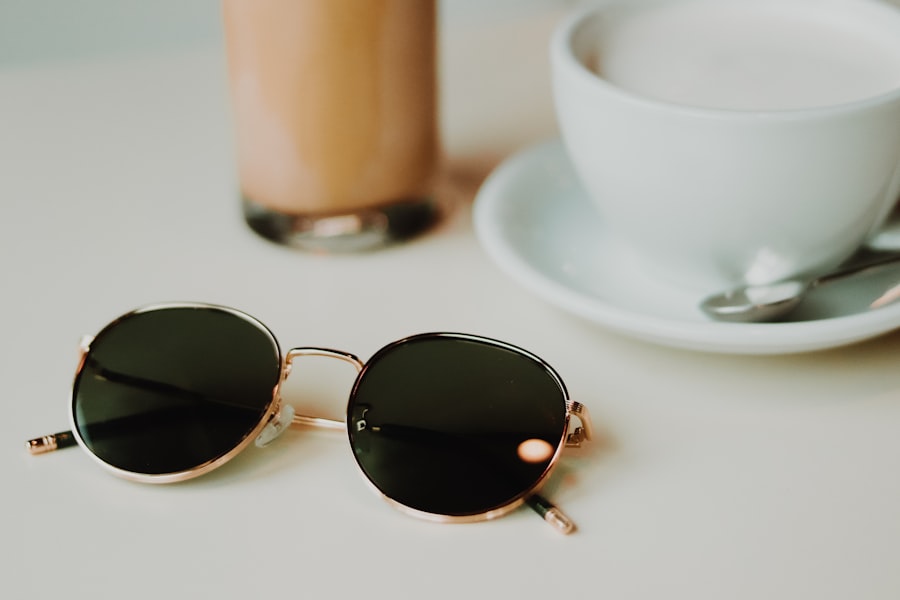
To appreciate the importance of sunglasses, it’s essential to understand UV rays and their effects on our eyes. Ultraviolet radiation comes from the sun and is divided into three types: UVA, UVB, and UVWhile UVC rays are mostly absorbed by the ozone layer, UVA and UVB rays can penetrate the atmosphere and reach us on the ground. Both types can cause significant damage to our eyes.
UVA rays are known for penetrating deep into the skin and can contribute to long-term skin damage and aging. They are also linked to conditions like macular degeneration, which affects central vision. On the other hand, UVB rays are primarily responsible for causing sunburn and can lead to cataracts over time. Understanding these risks highlights why wearing sunglasses with proper UV protection is essential for maintaining eye health.
Choosing the Right Sunglasses for Eye Protection
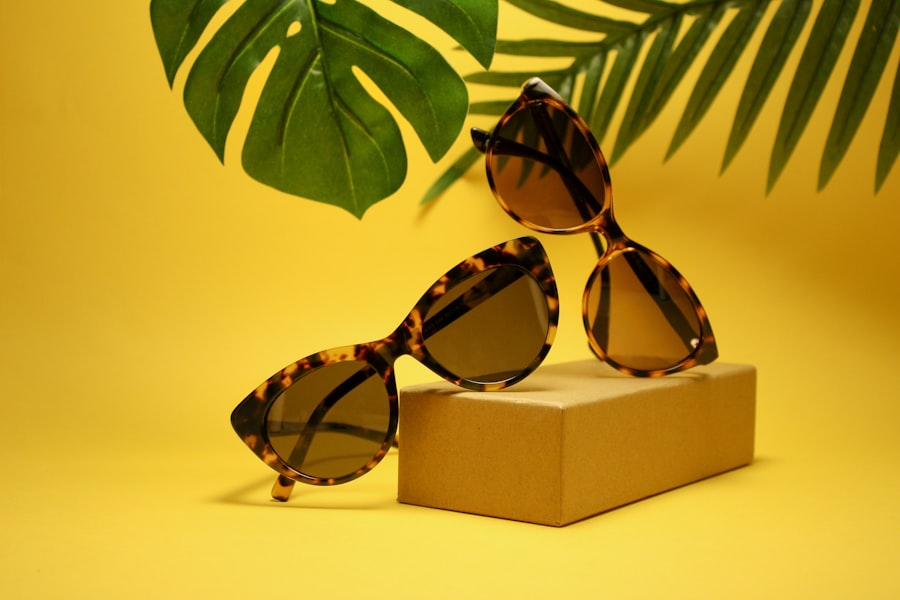
When it comes to selecting sunglasses, not all pairs are created equal. To ensure optimal eye protection, look for sunglasses that offer 100% UV protection. This means they block both UVA and UVB rays effectively. Additionally, consider the lens color; while darker lenses may reduce brightness, they don’t necessarily provide better UV protection. It’s crucial to check for labels indicating UV protection rather than relying solely on lens tint.
Another factor to consider is the fit of your sunglasses. A well-fitting pair will cover your eyes adequately and prevent light from entering from the sides. Wraparound styles or larger frames can offer better coverage and protection against peripheral light exposure. Ultimately, investing in a quality pair of sunglasses is a practical step toward safeguarding your eyes from harmful rays.
Other Ways to Protect Your Eyes from Aging
| Study | Findings |
|---|---|
| Harvard Medical School | Sunglasses can protect against cataracts and macular degeneration. |
| American Academy of Ophthalmology | UV exposure can contribute to eye aging, and sunglasses can help reduce this risk. |
| University of Utah Health | Long-term UV exposure can lead to eye aging, and sunglasses are recommended for protection. |
While sunglasses are a key component of eye protection, there are additional strategies to help prevent eye aging. One effective method is maintaining a healthy diet rich in antioxidants. Foods high in vitamins C and E, as well as omega-3 fatty acids, can support eye health and combat oxidative stress that contributes to aging.
Regular eye exams are also essential for monitoring eye health as you age. An eye care professional can detect early signs of conditions like cataracts or macular degeneration, allowing for timely intervention. Furthermore, staying hydrated and managing screen time can help reduce eye strain and fatigue, which are common contributors to premature aging.
The Role of Sunglasses in Preventing Cataracts and Macular Degeneration
Cataracts and macular degeneration are two prevalent eye conditions that can significantly impact vision as we age. Research has shown that prolonged exposure to UV rays increases the risk of developing cataracts, which cloud the lens of the eye and impair vision. Wearing sunglasses with proper UV protection can help mitigate this risk by blocking harmful rays.
Macular degeneration is another condition linked to UV exposure. It affects the macula, the part of the retina responsible for sharp central vision. Studies suggest that individuals who consistently wear sunglasses may have a lower risk of developing this condition later in life. By incorporating sunglasses into your daily routine, you’re not just making a fashion statement; you’re actively working to protect your vision for years to come.
Tips for Properly Caring for Your Sunglasses
Taking care of your sunglasses is just as important as choosing the right pair. Proper maintenance ensures they remain effective in protecting your eyes while also prolonging their lifespan. Start by cleaning your lenses regularly with a microfiber cloth and lens cleaner specifically designed for eyewear. Avoid using paper towels or clothing, as these materials can scratch the lenses.
Additionally, store your sunglasses in a protective case when not in use to prevent scratches or damage. Be mindful of where you leave them; extreme temperatures can warp frames or damage lenses over time. By following these simple care tips, you can keep your sunglasses in top condition and ensure they continue to provide optimal eye protection.
The Impact of Lifestyle Choices on Eye Aging
Our lifestyle choices play a significant role in how our eyes age over time. Factors such as smoking, excessive alcohol consumption, and poor diet can accelerate the aging process of our eyes. Smoking is particularly harmful as it increases the risk of developing cataracts and macular degeneration due to its impact on blood circulation and oxidative stress.
On the other hand, incorporating regular physical activity into your routine can benefit not only your overall health but also your eye health. Exercise improves circulation, which helps deliver essential nutrients to the eyes while reducing the risk of conditions associated with aging. By making conscious lifestyle choices, you can positively influence how your eyes age and maintain better vision throughout your life.
In conclusion, protecting your eyes is an essential aspect of overall health that should not be overlooked. From wearing quality sunglasses to adopting healthy lifestyle habits, there are numerous ways to safeguard your vision against aging and potential diseases. By prioritizing eye protection today, you’re investing in a clearer tomorrow.
FAQs
What is eye aging and how does it occur?
Eye aging refers to the natural process of changes in the eyes as a person gets older. This can include changes in vision, such as difficulty focusing on close objects, and an increased risk of developing age-related eye conditions such as cataracts and macular degeneration.
How can sunglasses protect against eye aging?
Sunglasses can protect against eye aging by blocking harmful UV rays from the sun. Prolonged exposure to UV rays can contribute to the development of cataracts, macular degeneration, and other age-related eye conditions. By wearing sunglasses that offer UV protection, individuals can reduce their risk of developing these conditions.
What should I look for in sunglasses to protect against eye aging?
When choosing sunglasses to protect against eye aging, it’s important to look for a pair that offers 100% UV protection. This means that the sunglasses block both UVA and UVB rays. Additionally, larger frames or wrap-around styles can provide better coverage and protection for the eyes.
Are there other ways to protect against eye aging?
In addition to wearing sunglasses, other ways to protect against eye aging include wearing a wide-brimmed hat for added sun protection, eating a healthy diet rich in antioxidants and omega-3 fatty acids, and getting regular eye exams to monitor for any signs of age-related eye conditions.
At what age should I start wearing sunglasses to protect against eye aging?
It’s never too early to start wearing sunglasses to protect against eye aging. Even in childhood, exposure to UV rays can contribute to the development of eye conditions later in life. Therefore, it’s important for individuals of all ages to wear sunglasses with UV protection whenever they are outdoors.