The lifespan of eyeglasses can vary significantly based on several factors, including the materials used, the frequency of use, and the care they receive. Generally, a well-maintained pair of eyeglasses can last anywhere from one to three years. However, this timeframe can be influenced by how often the glasses are worn and the conditions in which they are used. For instance, individuals who wear their glasses daily may find that their lenses become scratched or their frames become loose more quickly than those who wear them occasionally.
Additionally, advancements in lens technology and frame materials can also play a role in determining how long eyeglasses last. Modern lenses are often made from more durable materials that resist scratches and impact better than older options. Similarly, frames made from titanium or other high-strength materials may offer greater longevity compared to plastic frames. Understanding these factors can help users make informed decisions about their eyewear and when it might be time for a replacement.
Signs that Your Eyeglasses Need to be Replaced
There are several indicators that suggest it may be time to replace your eyeglasses. One of the most obvious signs is physical damage, such as cracks in the lenses or bent frames. Even minor damage can affect vision quality and comfort, making it essential to address these issues promptly. If the lenses are scratched to the point where they interfere with your ability to see clearly, replacement is necessary to ensure optimal vision.
Another sign that your eyeglasses may need replacing is discomfort during wear. If you find that your glasses no longer fit properly or cause irritation on your nose or behind your ears, it may be time for a new pair. Changes in your prescription can also necessitate a replacement; if you notice that your vision is not as clear as it once was, a visit to an eye care professional is warranted. Regularly assessing the condition of your eyeglasses can help you maintain good vision and comfort.
Factors that Affect the Lifespan of Eyeglasses
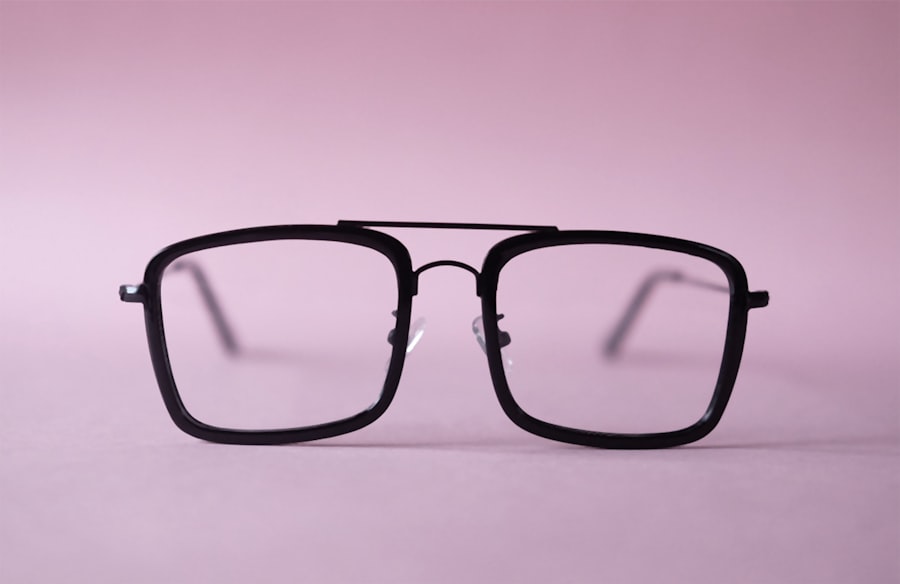
Several factors can influence how long eyeglasses last, including lifestyle choices, maintenance habits, and environmental conditions. For example, individuals who lead active lifestyles or work in demanding environments may subject their glasses to more wear and tear than those with more sedentary routines. Exposure to extreme temperatures, humidity, or chemicals can also degrade the materials used in eyeglass construction, leading to a shorter lifespan.
Proper care and maintenance play a crucial role in extending the life of eyeglasses. Regular cleaning with appropriate solutions and microfiber cloths can prevent scratches and buildup on lenses. Additionally, storing glasses in a protective case when not in use can help prevent accidental damage. Understanding these factors allows users to take proactive steps in caring for their eyewear, ultimately prolonging its usability.
How Often Should You Get Your Eyes Checked for New Glasses?
Regular eye examinations are essential for maintaining good vision and ensuring that your eyeglass prescription remains accurate. Most eye care professionals recommend having an eye exam every one to two years, depending on individual needs and risk factors. For those with existing vision problems or specific health conditions, more frequent check-ups may be necessary. These exams not only assess visual acuity but also check for other eye health issues that could affect vision.
During an eye exam, an optometrist or ophthalmologist will evaluate your current prescription and make any necessary adjustments. Changes in vision can occur gradually, making it important to stay vigilant about regular check-ups. If you notice any changes in your eyesight between scheduled appointments—such as blurriness or difficulty focusing—it’s advisable to seek an evaluation sooner rather than later.
Tips for Extending the Lifespan of Your Eyeglasses
| Factor | Recommended Replacement Frequency | Reason |
|---|---|---|
| Prescription Changes | Every 1-2 years | Vision can change over time; updating prescription ensures clear vision |
| Frame Condition | As needed (typically 2-3 years) | Frames can become loose, bent, or broken affecting comfort and fit |
| Lens Scratches or Damage | Immediately upon damage | Scratches can impair vision and cause eye strain |
| Lens Coating Wear | Every 1-2 years | Anti-reflective or scratch-resistant coatings can wear off reducing effectiveness |
| Comfort and Fit | As needed | Discomfort or slipping frames indicate need for replacement or adjustment |
| Style Preferences | Every 2-3 years | Personal style changes may prompt new frames |
To maximize the lifespan of your eyeglasses, adopting good habits is essential. One of the simplest yet most effective practices is to clean your lenses regularly using a microfiber cloth and lens cleaner specifically designed for eyewear. Avoid using paper towels or clothing, as these materials can scratch the lenses over time. Additionally, storing your glasses in a protective case when not in use can prevent accidental drops or exposure to harmful elements.
Another tip is to handle your glasses with care. When putting them on or taking them off, use both hands to avoid bending the frames. If you engage in activities that could potentially damage your glasses—such as sports—consider investing in a sports strap or a pair of durable eyewear designed for such activities. By being mindful of how you treat your eyeglasses, you can significantly extend their functional lifespan.
The Importance of Regular Eye Exams
Regular eye exams are crucial not only for updating prescriptions but also for monitoring overall eye health. Many eye conditions, such as glaucoma or macular degeneration, can develop without noticeable symptoms until significant damage has occurred. Routine examinations allow eye care professionals to detect these issues early on, providing opportunities for timely intervention and treatment.
Moreover, eye exams can reveal underlying health problems that may not be directly related to vision. Conditions such as diabetes and hypertension can manifest through changes in the eyes, making regular check-ups an important aspect of overall health management. By prioritizing eye exams, individuals can ensure they maintain both their vision and their general well-being.
When Should You Consider Upgrading Your Eyeglasses?
There are several scenarios in which upgrading your eyeglasses may be warranted. If you experience significant changes in your vision or find that your current pair no longer provides adequate clarity or comfort, it is advisable to consider new eyewear. Additionally, if your lifestyle changes—such as starting a new job that requires prolonged computer use—you may benefit from specialized lenses designed for specific tasks.
Fashion trends and personal preferences can also influence the decision to upgrade eyeglasses. As styles evolve, individuals may wish to refresh their look with new frames that better reflect their current aesthetic. Ultimately, the decision to upgrade should be based on both functional needs and personal satisfaction with one’s eyewear.
The Environmental Impact of Replacing Eyeglasses
The environmental implications of frequently replacing eyeglasses are becoming increasingly relevant as sustainability concerns grow. The production of eyewear involves various materials and processes that contribute to environmental degradation, including plastic waste and carbon emissions from manufacturing facilities. When consumers replace their glasses more often than necessary, they inadvertently contribute to this cycle of waste.
To mitigate this impact, individuals can consider options such as recycling old frames or donating them to organizations that provide eyewear to those in need. Additionally, choosing durable materials and investing in high-quality eyewear can reduce the frequency of replacements and lessen environmental strain over time. By being mindful of these factors, consumers can make more sustainable choices regarding their eyewear needs while still prioritizing their vision health.
FAQs
How often should you replace your eyeglasses?
It is generally recommended to replace your eyeglasses every 1 to 3 years, depending on changes in your vision, frame condition, and lens technology.
What signs indicate it’s time to replace your eyeglasses?
Signs include changes in your vision, scratched or damaged lenses, loose or broken frames, and discomfort while wearing them.
Can prescription changes affect how often you need new glasses?
Yes, if your prescription changes significantly, you should get new glasses to ensure optimal vision correction.
Are there benefits to updating your eyeglasses regularly?
Yes, updating your glasses can improve vision clarity, comfort, and take advantage of newer lens technologies like anti-reflective coatings or blue light filters.
Is it safe to continue wearing old eyeglasses if my vision hasn’t changed?
While you can wear old glasses if your prescription is still accurate, worn-out frames or scratched lenses can reduce visual quality and comfort, so replacement is advisable.