Eye health is often overlooked, yet it plays a crucial role in our overall well-being. Our eyes are not just windows to the world; they are essential for daily activities, from reading and driving to enjoying nature. Maintaining good eye health can significantly enhance our quality of life, allowing us to engage fully in both work and leisure activities. Neglecting eye care can lead to serious issues, including vision loss, which can be both debilitating and life-altering.
Moreover, many systemic health conditions manifest through changes in the eyes. For instance, diabetes can lead to diabetic retinopathy, while high blood pressure may cause hypertensive retinopathy. Regular eye check-ups can help detect these conditions early, allowing for timely intervention. By prioritizing eye health, we not only protect our vision but also gain insights into our overall health status.
The Purpose of Vision Screening
Vision screening serves as a preliminary assessment to identify potential vision problems. It’s typically a quick process that can be conducted in various settings, such as schools, community centers, or even during routine medical check-ups. The primary goal is to determine whether an individual may need further evaluation by an eye care professional. This is particularly important for children, as early detection of vision issues can significantly impact their learning and development.
During a vision screening, basic tests are performed to assess visual acuity and eye alignment. These tests are designed to be straightforward and non-invasive, making them accessible for people of all ages. While vision screenings are helpful in identifying those who may have vision problems, they do not provide a comprehensive evaluation of eye health. This is where regular eye exams come into play.
The Benefits of Regular Eye Exams

Regular eye exams offer a more thorough evaluation of eye health compared to vision screenings. They typically include a series of tests that assess not only visual acuity but also the overall health of the eyes. Eye exams can detect a range of issues, from refractive errors like nearsightedness and farsightedness to more serious conditions such as glaucoma and cataracts.
One of the significant benefits of regular eye exams is the opportunity for early detection of eye diseases. Many eye conditions develop gradually and may not present noticeable symptoms until they are advanced. By having routine exams, individuals can catch these issues early on, which often leads to better treatment outcomes. Additionally, eye exams can help monitor existing conditions and adjust treatment plans as necessary.
Key Differences Between Vision Screening and Eye Exams
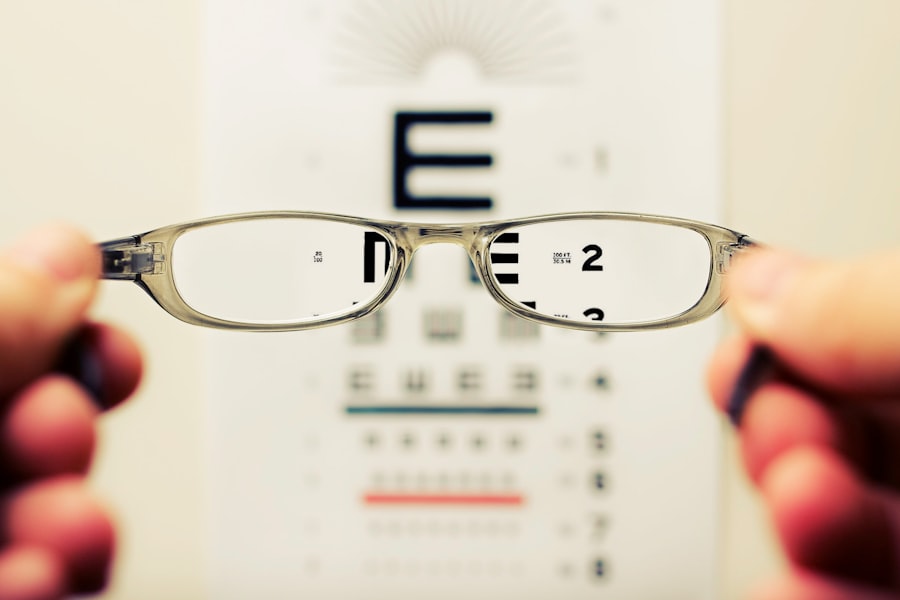
While both vision screenings and eye exams aim to assess eye health, they differ significantly in scope and depth. Vision screenings are generally brief and focus on identifying individuals who may need further evaluation. They often involve simple tests like reading letters from a chart or checking for color blindness. The results can indicate whether someone should see an eye care professional but do not provide a complete picture of eye health.
In contrast, eye exams are comprehensive evaluations conducted by licensed optometrists or ophthalmologists. These exams include a variety of tests that assess not only visual acuity but also the internal and external structures of the eyes. Eye care professionals use specialized equipment to examine the retina, optic nerve, and other components of the eye. This thorough approach allows for a more accurate diagnosis and tailored treatment options.
Who Should Undergo Vision Screening
| Aspect | Eye Exam | Vision Screening |
|---|---|---|
| Performed by | Optometrist or ophthalmologist | Primary care physician, school nurse, or community organization |
| Comprehensive assessment | Yes | No |
| Diagnosis of eye conditions | Yes | No |
| Prescription of corrective lenses | Yes | No |
| Frequency | Every 1-2 years | Annually |
Vision screenings are recommended for individuals of all ages, but they are particularly crucial for children. Early childhood is a critical period for visual development, and undiagnosed vision problems can hinder learning and social interactions. Schools often conduct vision screenings to ensure that children have the visual skills necessary for academic success. If a child fails a screening, it’s essential to follow up with an eye exam.
Adults should also consider regular vision screenings, especially if they have risk factors such as a family history of eye disease or existing health conditions like diabetes or hypertension. Older adults are particularly encouraged to undergo screenings due to the increased risk of age-related eye conditions. Ultimately, anyone who notices changes in their vision or experiences discomfort should seek a screening as a first step toward addressing potential issues.
When to Schedule an Eye Exam
The frequency of eye exams varies based on age, health status, and risk factors. For children, it’s generally recommended to have their first comprehensive eye exam at around six months of age, followed by additional exams at age three and before starting school. After that, children should have their eyes checked every one to two years unless otherwise advised by an eye care professional.
For adults, the American Academy of Ophthalmology suggests having an eye exam every one to two years until age 60. After 60, annual exams become more critical due to the increased risk of developing age-related conditions like cataracts or macular degeneration. Individuals with specific risk factors or existing eye conditions may need more frequent evaluations. It’s always best to consult with an eye care professional about the appropriate schedule based on personal health needs.
What to Expect During a Vision Screening
When you arrive for a vision screening, you’ll typically fill out some basic information about your medical history and any current vision concerns. The screening itself usually takes place in a relaxed environment and involves simple tests that assess your ability to see at various distances. You might be asked to read letters from an eye chart or identify colors.
The process is generally quick—often completed in less than 30 minutes—and does not require any special preparation. If any issues are detected during the screening, you’ll receive recommendations for follow-up care or further testing with an eye care professional. It’s important to remember that while screenings are helpful for initial assessments, they do not replace the need for comprehensive eye exams.
What to Expect During an Eye Exam
An eye exam is more detailed than a vision screening and typically lasts about 30 minutes to an hour. When you arrive at the office, you’ll start by discussing your medical history and any specific concerns you may have about your vision or eye health. This conversation helps the eye care professional tailor the exam to your needs.
The exam will include several tests designed to evaluate different aspects of your vision and eye health. You may undergo visual acuity tests using an eye chart, refraction tests to determine your prescription for glasses or contact lenses, and examinations of the front and back parts of your eyes using specialized instruments. Dilation drops may be used to widen your pupils for a better view of the retina and optic nerve.
After completing the tests, your eye care professional will discuss the results with you and recommend any necessary treatments or follow-up appointments. Whether you need corrective lenses or further evaluation for potential issues, this comprehensive approach ensures that your eyes receive the attention they deserve.
In conclusion, understanding the importance of eye health is vital for maintaining overall well-being. Regular vision screenings and comprehensive eye exams play distinct yet complementary roles in safeguarding our eyesight. By staying proactive about our eye care—whether through screenings for children or regular exams for adults—we can ensure that we enjoy clear vision and catch potential problems early on.
FAQs
1. What is the difference between an eye exam and a vision screening?
An eye exam is a comprehensive evaluation of the health and function of the eyes, including testing for visual acuity, eye coordination, and eye diseases. A vision screening, on the other hand, is a brief assessment of visual acuity and may not include a thorough examination of eye health.
2. Who performs eye exams and vision screenings?
Eye exams are typically performed by optometrists or ophthalmologists, who are trained and licensed to diagnose and treat eye conditions. Vision screenings may be conducted by various healthcare providers, such as pediatricians, school nurses, or community organizations.
3. How often should someone have an eye exam versus a vision screening?
It is recommended that adults have a comprehensive eye exam at least every two years, or more frequently if they have certain risk factors or eye conditions. Vision screenings may be conducted more frequently, especially for children, as part of routine healthcare visits or school screenings.
4. What can be detected during an eye exam that may be missed during a vision screening?
An eye exam can detect a wide range of eye conditions, including refractive errors, glaucoma, cataracts, macular degeneration, diabetic retinopathy, and other health issues such as high blood pressure and diabetes that can affect the eyes. Vision screenings may only identify basic visual acuity problems.
5. Are eye exams covered by insurance, and are vision screenings typically free?
Many health insurance plans cover the cost of routine eye exams, especially for children and adults with certain risk factors. Vision screenings may be offered for free through schools, community organizations, or public health initiatives.