
Our Blog

What Does the Eyelid Look Like Before and After Droopy Eyelid Surgery?
Droopy eyelids, known as ptosis, can impact both the aesthetic appearance and functionality of the eyes, prompting individuals to consider corrective surgery for improved eyelid positioning and symmetry. Exploring the visual differences in eyelid anatomy before and...
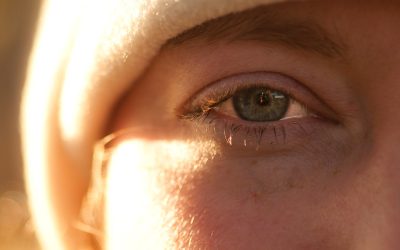
Why are Light Eyes More Sensitive to the Sun?
Understanding Why are Light Eyes More Sensitive to the Sun? Light sensitivity, or photophobia, refers to an increased sensitivity to light that can lead to discomfort, squinting, and eye strain in bright surroundings. Individuals with light-colored eyes, such as blue...

Does Amblyopia Cause Double Vision?
Amblyopia, commonly referred to as "lazy eye," is a vision disorder that typically develops during childhood and can affect visual acuity in one or both eyes. Among the concerns associated with amblyopia, the question of whether it causes double vision often arises. ...

Are Reading Glasses Bad for Your Eyes?
Overview of Reading Glasses Reading glasses, also known as "readers," are eyewear designed to aid in near vision tasks, such as reading, sewing, or using electronic devices. They are typically prescribed to individuals experiencing presbyopia, a common age-related...

How Do Progressive Glasses Work?
How Do Progressive Glasses Work? Progressive glasses, also known as multifocal lenses, are specialized eyewear designed to address presbyopia, a common age-related vision condition that affects near vision clarity. Unlike traditional bifocal or trifocal lenses,...

Can You Wear Daily Contacts More Than One Day?
Daily disposable contact lenses are designed for single-day use, offering convenience, comfort, and reduced risk of eye infections compared to reusable lenses. However, some individuals may consider wearing daily contacts for more than one day to save money or for...

Understanding Optometric Vision Therapy and Its Uses in Eyecare
Optometric vision therapy, a specialized form of vision training conducted under the supervision of optometrists, aims to improve visual function, enhance eye coordination, and address various vision-related issues. While vision therapy uses lenses, prisms, and other...

Headache from Incorrect Glasses: Causes and Solutions
Wearing the wrong prescription glasses can lead to discomfort and potential vision-related issues, including headaches. When glasses do not provide the correct corrective lens power or alignment for an individual's visual needs, it can strain the eyes and the...

Can Nearsightedness Improve with Age?
Nearsightedness is the eye condition in which things far away are blurry without glasses or contact lenses. Most of the time, children and young adults will gradually increase in the amount of nearsightedness over time with growth. However, there are interventions to...

Is Light Sensitivity a Sign of Eye Inflammation?
Light sensitivity, also known as photophobia, is a condition where individuals experience discomfort or pain in response to light stimuli. While it can occur for various reasons, one common cause is eye inflammation. In this blog, we will delve into the relationship...

Why Are My Contacts Two Different Prescriptions?
If you wear contact lenses, you may have noticed that each lens has a different prescription power. This discrepancy between the two lenses is quite common and is not a cause for concern. In fact, having different prescription powers for each eye is a normal...

Nutrition Changes Can Help Slow Macular Degeneration
Macular degeneration is a progressive eye disease that affects the macula, a small but essential part of the retina responsible for central vision. While macular degeneration cannot be cured, making certain nutrition changes can help slow its progression and maintain...