
Our Blog
What is an Eye Floater?
On a bright, sunny day, you may notice a small worm-like object in your vision. It can vary in the size, shape, and speed in which it moves and it may have always been there or only recently noticed. This may be a floater in your vision. The article below dives into...

How Do I Select a Tint for My Glasses?
Our optometrists are able to write a variety of prescriptions, ranging from glasses to antibiotics. As a part of a glasses prescription, our doctors are also able to prescribe a tint or filter that is either clipped onto or a part of the spectacles. This extra...
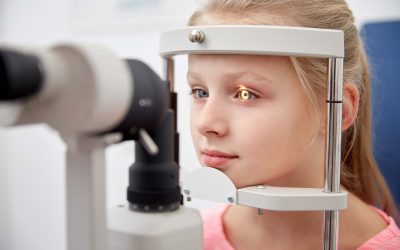
4 Causes of Eye Misalignment (Strabismus)
Checking for Eye Misalignment (Strabismus) Checking for normal eye alignment is an important component of an eye examination. Our optometrist pays close attention to a patient’s eye position while they are looking at a target as this is important not only for the...

Does Your Vision Change as You Age?
Our vision changes drastically in the first few years of life. When we are born, the vision is not the same as we experience as older children or adults. There are certain visual milestones that our optometrists are looking out for when children present for their...

When Should Your Child Have an Eye Exam?
A child’s first eye examination can be very exciting. Luckily for us, the majority of our testing and examination of children is enjoyable and fun. Here are some of the different tests and assessments that are made at our office for a children’s eye examination, as...

What is Vision Therapy?
Vision therapy is a service provided by our optometrists to enhance and better develop visual skills and abilities. It has amazing applications in that it has the potential to resolve issues regarding eye strain, ease of ocular movement and affect visual processing...

Common Causes of Eye Strain
Many people suffer from eye strain, especially in today’s world of working from home. While increased computer work can be one cause, there are several others that can be found in a routine eye examination with us. Read on to learn more about how eye strain can come...
Contact Lenses and Dry Eyes
Dry eye is an issue that affects many individuals. It can be severe enough to interrupt one’s day and prevent them from completing daily activities comfortably. Often, these individuals are unable to tolerate the use of contact lenses. In other cases, patients suffer...
How is Astigmatism Corrected?
As you see the word “astigmatism”, you may recall a moment from your last appointment when our optometrist mentioned this term. Astigmatism simply refers to the fact that the prescription you need to allow for clear vision is not the same in all orientations in front...
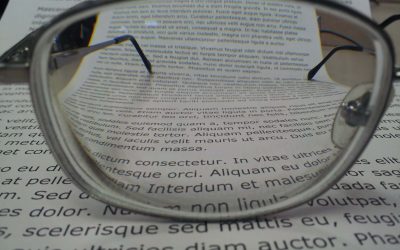
When Should You Start With Progressive Lenses?
Progressive lenses (also known as "no line bifocals" are incredibly popular in society today. Many cannot wait to get their first pair while others are hesitant about this option. In either case, gaining some insight about what these lenses are and starting to use...
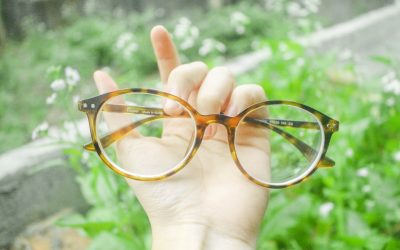
Myopia Control with Orthokeratology
Orthokeratology refers to a small and hard contact lens that is placed on the eye at the end of the day, slept in, then removed in the morning. It is uniquely designed for each individual, adjusting for the different contours of one’s eye and allowing for correction...
Styes, Lumps, and Bumps on Your Eyelids
If you have a painful and tender bump on your eyelid, you may be diagnosed with a stye or hordeolum. These are infections or inflammations in different tissues in the eyelid, sometimes with different treatments and disease courses. This article will explain the...