
Our Blog
What are Rigid Gas Permeable Contact Lenses?
When thinking about contact lenses, most people think of soft contact lenses but there is another option – rigid gas permeable contact lenses (RGPs). These lenses have been around for many years and offer another option – especially for people with abnormal corneas....
How Often Should I Have an Eye Exam?
Having a regular eye exam is an important part of routine health and can assist in detecting conditions early and preventing issues both with the eyes and the rest of the body. Frequency of an Eye Exam or Routine Eye Health Check How frequently you should have...

What is Refractive Amblyopia and How is it Treated?
Refractive amblyopia is a type of “lazy eye” that is due to the eye having a high amount of error in the focusing system. This condition is most common in children and does not develop after childhood but will be a lifelong condition. Basics of Amblyopia...

Can an Eye Doctor Improve Reading Comprehension?
For many children, reading comprehension is a difficult skill to develop in elementary and middle school. There are many vision related causes of decreased reading comprehension and an eye doctor is trained to identify these conditions. What is Reading...

What is Farsightedness or Hyperopia?
A common refractive condition, farsightedness occurs when the eyes focus clearly on things in the distance but not on things up close. This condition is a common reason for glasses, contact lenses, or refractive surgery such as LASIK. How Does the Eye Focus?...
Why Do Eye Doctors Use Dilation Drops?
If you have ever had a comprehensive eye examination, it is likely that you have heard about dilating eye drops. These drops are used in the eye examination to better evaluate the back of your eyes. How Does Dilation Occur? In optometry, the term dilation...
Can Anemia Affect Your Eyes?
There are several types of anemias which are all blood conditions caused by a lack of sufficient red blood cells. These anemias can affect your eyes and vision in several ways. What is Anemia? The term anemia is used to describe a blood condition in which there are...

What is Dry Eye?
An ever-increasing problem in today’s world is dry eye. What is it and what can we do to help it? What Causes Dry Eyes? The eyes are protected from the outside world by an outer coating called the tear film. The tear film is made up of water, oils, mucins, and...

What is Saccadic Dysfunction?
Another form of oculomotor dysfunction (for a review of oculomotor dysfunction check out our article: Understanding Oculomotor Dysfunction and Exercises to Treat) stems from an issue with saccades—or saccadic dysfunction. What is Saccadic Dysfunction? Saccades...
What is a Posterior Vitreous Detachment (PVD)?
How to Read Your Glasses Prescription
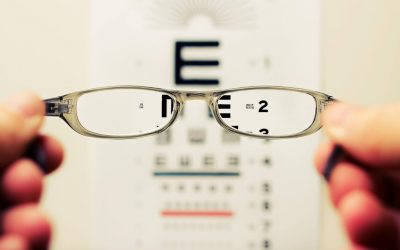
When it comes to getting a new pair of glasses or contacts, the prescription can seem like a foreign language to you! What do all of these numbers mean, and why does it matter? Testing Your Visual Acuities One of the first things most doctors check during an...

8 Common Eye Care Myths Debunked
Here is a fun article to answer several commonly asked questions in the eyecare world—each myth will be categorized as being fact (true) or fiction (false). Myth: Eating carrots makes your eyesight better. Fiction. This myth actually originates to World War...