Early detection of eye conditions in children is crucial for their overall development and quality of life. The earlier a problem is identified, the better the chances of effective treatment. Many eye issues can lead to long-term vision problems if not addressed promptly. For instance, conditions like amblyopia, commonly known as lazy eye, can significantly impact a child’s ability to learn and interact with their environment. By catching these issues early, parents can ensure that their children have the best possible chance for healthy vision as they grow.
Moreover, children’s visual systems are still developing, making them more susceptible to certain eye conditions. Regular eye exams can help identify not just existing problems but also potential risks that could affect their vision later in life. This proactive approach allows for timely interventions, which can include corrective lenses, therapy, or even surgery in some cases. Ultimately, prioritizing early detection can lead to better educational outcomes and a more fulfilling childhood experience.
Common Pediatric Eye Conditions
There are several common eye conditions that can affect children, and being aware of them is essential for parents. One of the most prevalent is refractive errors, which include nearsightedness (myopia), farsightedness (hyperopia), and astigmatism. These conditions occur when the shape of the eye prevents light from focusing directly on the retina, leading to blurred vision. Children may not realize they have a problem, so regular check-ups are vital for identifying these issues.
Another significant condition is strabismus, or crossed eyes, where the eyes do not align properly. This misalignment can lead to amblyopia if left untreated. Amblyopia itself is a condition where one eye becomes weaker than the other, often due to strabismus or significant differences in refractive error between the two eyes. Other conditions like conjunctivitis (pink eye) and cataracts can also occur in children, though they are less common. Understanding these conditions helps parents recognize the importance of monitoring their child’s eye health.
Signs and Symptoms to Look Out For
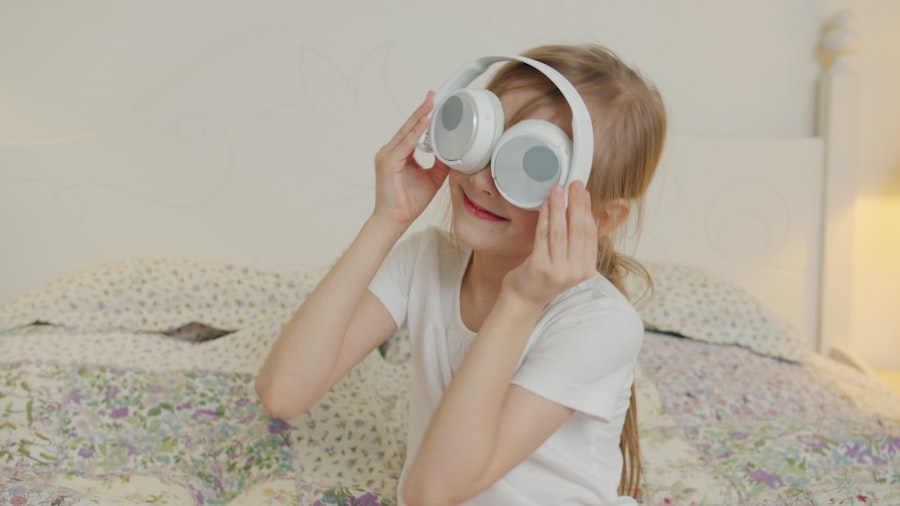
Parents should be vigilant about observing their child’s behavior and any signs that may indicate an eye problem. Frequent squinting or tilting the head to see better can be red flags that something isn’t right. If a child consistently complains of headaches or shows signs of frustration while reading or doing homework, it may be time for an eye exam. Additionally, if you notice your child covering one eye or having difficulty with depth perception, these could be indicators of underlying issues.
Other symptoms to watch for include excessive tearing, redness in the eyes, or sensitivity to light. If your child frequently rubs their eyes or has trouble focusing on objects at different distances, these could also signal a need for professional evaluation. Being proactive about these signs can make a significant difference in addressing potential problems before they escalate.
Benefits of Regular Pediatric Eye Exams
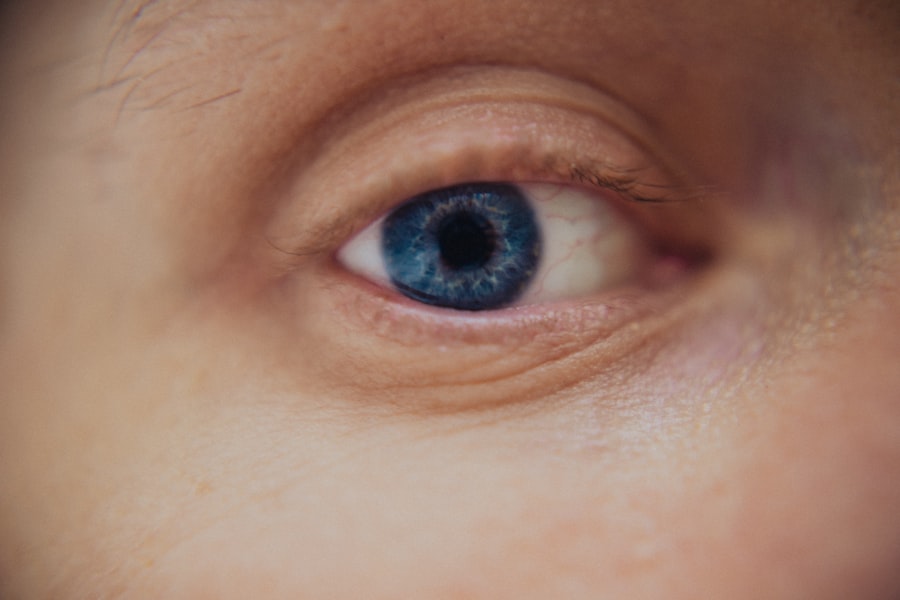
Regular pediatric eye exams offer numerous benefits beyond just checking for vision problems. They provide an opportunity for early detection of conditions that could affect a child’s overall health and development. For instance, some systemic diseases can manifest through changes in the eyes, making these exams a critical part of comprehensive healthcare.
Additionally, routine eye exams help establish a baseline for your child’s vision, allowing for better tracking of any changes over time. This ongoing assessment can lead to timely interventions that improve not only visual acuity but also academic performance and social interactions. Children who can see well are more likely to engage in activities and develop confidence in their abilities, which contributes positively to their self-esteem and overall well-being.
When to Schedule Your Child’s First Eye Exam
| Metrics | Data |
|---|---|
| Children with undiagnosed vision problems | 1 in 4 |
| Impact of vision problems on learning | 80% of learning is visual |
| Age for first eye exam | 6 months |
| Frequency of pediatric eye exams | Annually |
The American Academy of Ophthalmology recommends that children have their first comprehensive eye exam at around six months of age. This initial check-up helps identify any significant issues early on. After that, children should have another exam at age three and again before starting school around age five or six. These early assessments are crucial as they lay the groundwork for future eye health.
If there is a family history of eye problems or if your child has specific risk factors—such as premature birth or developmental delays—more frequent exams may be necessary. It’s essential to consult with your pediatrician about your child’s individual needs and any specific recommendations they may have regarding eye care.
What to Expect During a Pediatric Eye Exam
A pediatric eye exam typically involves several components designed to assess various aspects of your child’s vision and eye health. The process usually begins with a discussion about your child’s medical history and any concerns you may have noticed. The eye care provider will then perform a series of tests that may include checking visual acuity using an eye chart, assessing how well the eyes work together, and examining the overall health of the eyes.
In many cases, drops may be used to dilate the pupils, allowing for a more thorough examination of the retina and optic nerve. While this may sound intimidating, it’s generally quick and painless. The entire process usually takes about 30 to 60 minutes, depending on the complexity of the tests being performed. Parents are encouraged to ask questions throughout the exam to better understand their child’s eye health.
Tips for Preparing Your Child for an Eye Exam
Preparing your child for an eye exam can help ease any anxiety they might feel about the visit. Start by explaining what will happen in simple terms, emphasizing that it’s just a routine check-up to make sure their eyes are healthy. You might even want to read books or watch videos about going to the eye doctor together to familiarize them with the experience.
On the day of the appointment, try to keep things calm and positive. Make sure your child gets plenty of rest the night before and has a light meal beforehand—this can help them feel more comfortable during the exam. If your child wears glasses or contact lenses, remind them to bring them along so the doctor can assess their current prescription accurately.
Finding the Right Pediatric Eye Care Provider
Choosing the right pediatric eye care provider is essential for ensuring your child receives quality care tailored to their needs. Start by seeking recommendations from your pediatrician or other parents in your community who have had positive experiences with local eye care specialists. Look for providers who specialize in pediatric ophthalmology or optometry, as they will have specific training in dealing with children’s unique needs.
When evaluating potential providers, consider factors such as their experience with children, office environment, and approach to patient care. A welcoming atmosphere can make a significant difference in how comfortable your child feels during their visit. Don’t hesitate to ask questions about their examination techniques and how they handle various conditions; this will help you gauge whether they are a good fit for your family.
In conclusion, prioritizing your child’s eye health through early detection and regular exams is vital for their development and well-being. By being aware of common conditions, recognizing symptoms, and finding the right care provider, you can help ensure that your child enjoys a lifetime of healthy vision.
FAQs
What is a pediatric eye exam?
A pediatric eye exam is a comprehensive evaluation of a child’s vision and eye health conducted by an eye care professional, such as an optometrist or ophthalmologist. It includes tests to assess visual acuity, eye alignment, eye movement, and overall eye health.
At what age should a child have their first eye exam?
The American Optometric Association recommends that children have their first comprehensive eye exam at 6 months of age, followed by another exam at age 3, and then again before starting school. After that, children should have an eye exam every 1-2 years, or as recommended by their eye care professional.
Why are pediatric eye exams important?
Pediatric eye exams are important because they can detect vision problems, eye diseases, and other issues that may affect a child’s learning, development, and overall well-being. Early detection and treatment of these issues can prevent long-term vision problems and improve a child’s quality of life.
What are some signs that a child may need an eye exam?
Signs that a child may need an eye exam include frequent eye rubbing, squinting, holding objects close to the face, complaining of headaches or eye strain, having difficulty reading or seeing distant objects, and showing a lack of interest in visually stimulating activities.
What can parents do to prepare their child for a pediatric eye exam?
Parents can prepare their child for a pediatric eye exam by talking to them about what to expect, reassuring them that the exam is painless, and emphasizing the importance of taking care of their eyes. It’s also helpful to choose an eye care professional who has experience working with children and to schedule the exam at a time when the child is well-rested and cooperative.